
UV DTF + Standard DTF: Running a Combined Product Line
Boost revenue by integrating UV DTF and standard DTF into one seamless product line. Learn how cross-selling can increase order value by up to 40%.
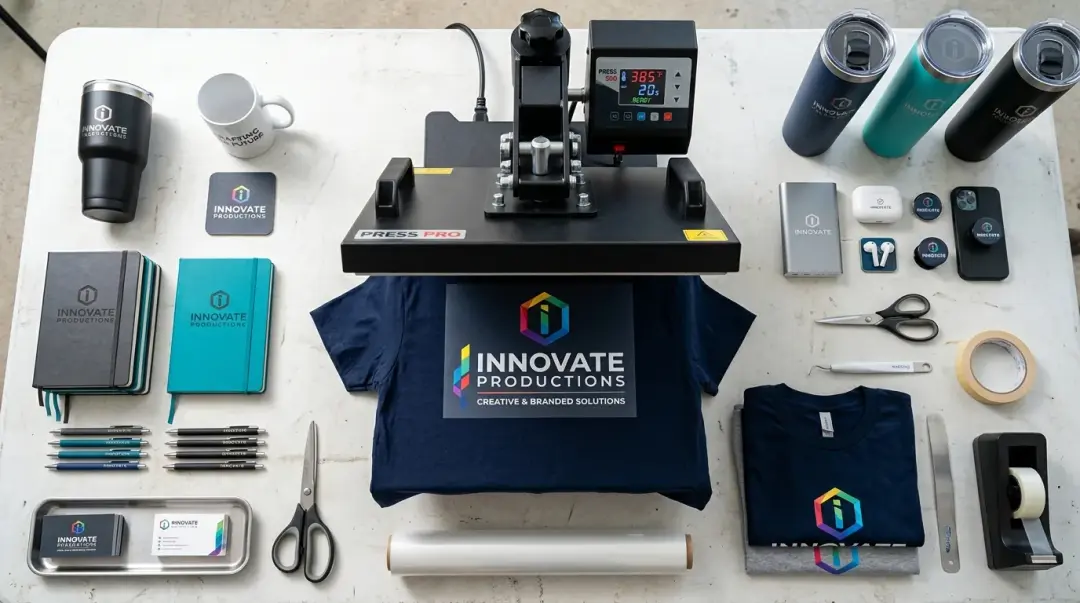
Maximizing Revenue Through Unified DTF Solutions
For many print shop owners, the boundary between textile customization and hard-goods branding has historically been a hard line. Most operators treat standard fabric transfers and UV DTF (Direct to Film) hard-goods applications as separate business silos, each requiring its own marketing efforts, target demographics, and ordering workflows. However, the shops currently capturing the most revenue per customer account are those that have dismantled these barriers by integrating both technologies into a single, seamless product offering.
By shifting from a product-focused mindset to a solution-focused approach, you stop competing on price for individual items and start providing a comprehensive branding service. Your existing DTF clients are likely already outsourcing their hard-goods needs—such as branded tumblers, phone cases, and awards—to other suppliers. When you bridge this gap, you capture high-margin revenue without the heavy lifting of customer acquisition.
The Economic Case for Integration
Integrating UV DTF into your existing standard DTF workflow is a masterclass in efficiency. When a corporate client places an order for branded apparel for an annual event, they have a clear, immediate need for cohesive branding across other event assets. Offering branded tumbler wraps or hard-surface decals alongside their shirt order isn't just an upsell; it is a service enhancement.
Key Financial Gains
- Lower Acquisition Costs: Leveraging existing client relationships eliminates the need to pay for new leads.
- Increased Average Order Value (AOV): Shops that integrate these lines report 25–40% higher AOV from accounts that previously only purchased fabric transfers.
- Margin Optimization: UV DTF cup wraps typically retail between $8 and $14 per wrap, while material costs often sit between $1.50 and $3.00, providing excellent profit margins.
Operational Synergy: One Workflow, Two Outcomes
The secret to scalability is avoiding the temptation to treat these as separate internal workflows. Instead, embed UV DTF Stickers by Size into your existing gang sheet ordering process. This minimizes friction for the customer and reduces administrative overhead for your team.
Step-by-Step Implementation Strategy
- Integrate the Prompt: In your order intake form, include a simple, high-visibility prompt: "Would you like to add UV DTF cup wraps or hard goods decals for the same design?"
- Unified File Management: Utilize the same vector files used for the apparel transfers to generate the UV DTF decals. This removes the burden of re-design from the client.
- Cross-Sell During Proofing: When sending mockups for apparel, include a visual render of the logo on a matching tumbler or promotional product to increase the perceived value of the add-on.
| Feature | Standard DTF (Fabric) | UV DTF (Hard Goods) |
|---|---|---|
| Substrate | Cotton, Polyester, Blends | Metal, Glass, Plastic, Leather |
| Bonding Method | Heat & Pressure | Pressure Sensitive (Peel & Stick) |
| Primary Use | Apparel, Bags, Hats | Tumblers, Signage, Awards |
| Margin Potential | High Volume/Lower Unit Price | Lower Volume/Higher Unit Price |
Defining Key Terms
Standard DTF (Direct to Film): A process utilizing water-based pigment inks printed onto PET film, dusted with hot-melt adhesive powder, and cured for application onto textiles via a heat press.
UV DTF (Direct to Film): A digital printing method that cures UV-curable ink instantly onto a specialized AB film. It creates a durable, pressure-sensitive decal that can be applied to rigid surfaces without heat.
Summary: The Power of the "Bundle"
The most successful shops are those that make it easier for the client to spend more money. By proactively offering UV DTF as a natural extension of a standard DTF order, you are not just selling products; you are solving a branding problem. A client who orders shirts for an event likely needs matching tumblers—that is a potential $200–$400 add-on to an existing order that requires no additional marketing effort. Implementing this combined product line is one of the fastest ways to scale revenue without increasing your client base.
Frequently Asked Questions
What is the primary difference between Standard DTF and UV DTF?
How can adding UV DTF to my print shop increase revenue?
Is it difficult to manage separate workflows for standard and UV DTF?
What are the profit margins typically associated with UV DTF cup wraps?
Do I need to re-design logos for UV DTF if I already have them for apparel?
Comments
No comments yet. Be the first to share your thoughts!