
Adhesive Powder Clumping: Causes, Prevention, and Tips
Stop wasting DTF transfers. Learn why adhesive powder clumps, how to prevent moisture damage, and when to replace your stock for perfect prints.
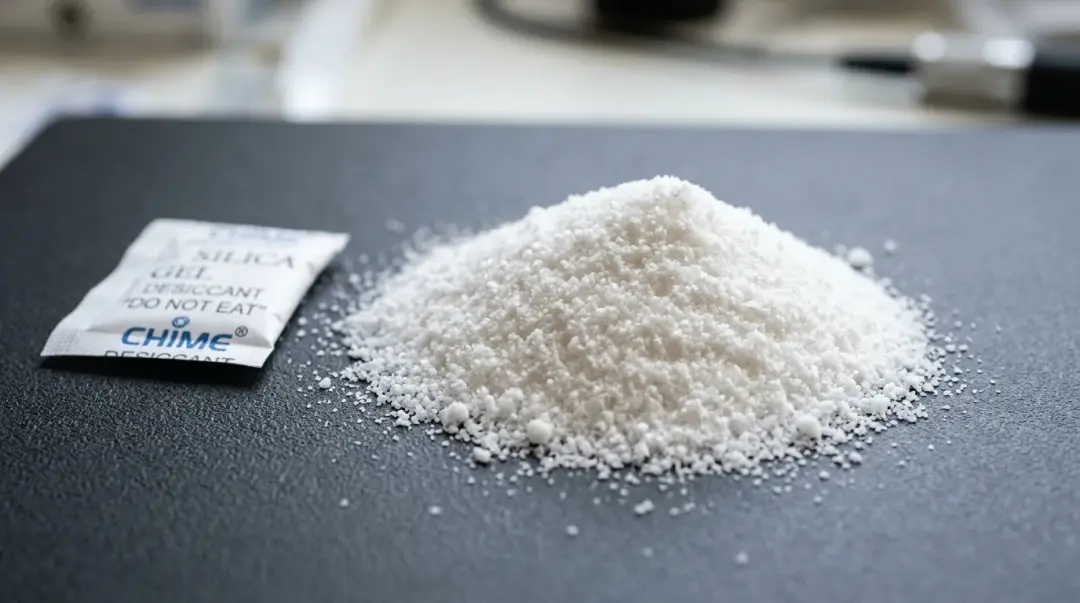
In the world of Direct-to-Film (DTF) printing, the hot-melt adhesive powder is often treated as a background consumable. However, this granular component is the backbone of your print's longevity and tactile quality. When your powder performs well, your transfers are durable and smooth; when it fails, you are faced with mottled adhesion, peeling, and wasted production. For more information, visit our DTF Supplies page — adhesive powder or consumables section.
Understanding Adhesive Powder Clumping
Hot-melt adhesive powder—typically thermoplastic polyurethane (TPU)—is designed to flow freely and distribute evenly over wet ink. When fresh, it creates a uniform surface that melts consistently during the curing process. Clumping occurs when individual particles aggregate due to environmental stressors, primarily moisture absorption.
Because TPU powder is hygroscopic, it readily pulls water vapor from the air. In a humid workshop environment, this moisture causes particles to bond into small lumps before they even reach the print. When these clumps pass through a shaker or are applied manually, they result in thick, concentrated spots of adhesive alongside bare patches. The result? A mottled adhesion pattern where some parts of your design bond perfectly, while others lift after the first wash.
Key Consequences of Degraded Powder
- Uneven Texture: Finished prints appear lumpy or irregular rather than smooth.
- Adhesion Failure: Patches of the design may fail to bond, leading to premature peeling.
- Poor Wash Fastness: Inconsistent adhesive coverage significantly reduces the number of laundry cycles the print can withstand.
Preventing Adhesive Clumping: Best Practices
Prevention is far more cost-effective than troubleshooting failed orders. By controlling your environment and handling practices, you can maximize the shelf life of your consumables.
1. Storage Environment
The ideal environment for TPU powder is climate-controlled. Maintain a relative humidity of below 50% and a temperature range of 18°C–25°C (64°F–77°F). Store containers in a cool area away from exterior walls or direct heat sources.
2. Airtight Containment
Always keep your powder in an airtight container. Using silica gel desiccants inside your storage bin is a highly effective way to pull lingering moisture out of the air inside the container. Never leave powder in open trays or hoppers overnight, especially if your shop is located in a high-humidity region.
3. Operational Discipline
Avoid "cross-contamination" of your stock. Never return excess powder from a shaker tray back into your main, clean container. Used powder often contains microscopic debris or ink particles that can degrade your fresh stock. Additionally, for manual applications, work in small batches. Allowing powder to sit on wet ink for more than 60–90 seconds can cause premature activation due to the ink's residual heat, creating a tacky surface that adheres to the film rather than the garment.
When to Replace Your Stock
How do you know when it is time to discard your powder? If you have had an opened container for more than 90 days, particularly in a humid environment, it is time to perform a quality check.
| Indicator | Action Required |
|---|---|
| Visible lumps in container | Replace immediately |
| Powder feels gritty or sticks to itself | Test on scrap fabric |
| Print has patchy/mottled adhesion | Discard and replace |
Key Takeaway: Before starting a large production run with older powder, perform a simple press test on scrap fabric at your standard settings. If the adhesion is inconsistent, discard the batch. High-quality TPU powder costs approximately $15–$30 per kilogram—a minor investment compared to the cost of reprinting entire failed customer orders.
By treating your adhesive powder with the same care you give your printers and inks, you ensure consistent, professional-grade results every time you press a garment.
Frequently Asked Questions
Why does my DTF adhesive powder form clumps in the container?
How can I prevent my TPU adhesive powder from clumping?
Can I return excess adhesive powder to my main supply container?
What are the common signs that my DTF adhesive powder has degraded?
How long can I safely use an opened container of DTF adhesive powder?
Comments
No comments yet. Be the first to share your thoughts!