
Pricing DTF Gang Sheets for Wholesale vs. Retail: A Margin Framework
Master DTF gang sheet pricing with a sustainable margin framework. Protect your profits, satisfy wholesale partners, and optimize retail rates effectively.
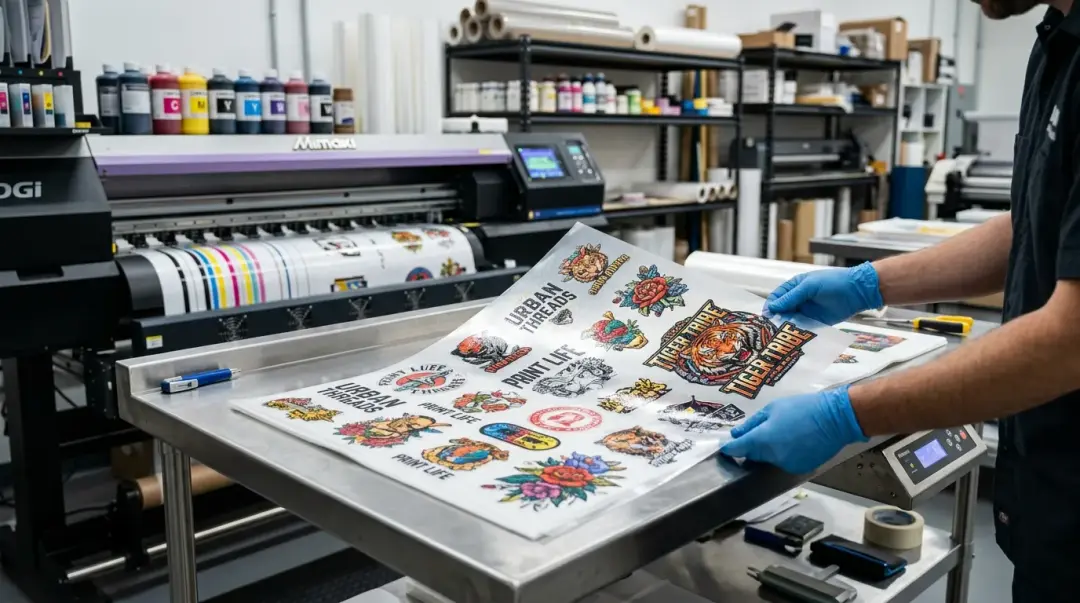
Running a successful DTF (Direct to Film) printing operation often involves juggling two distinct customer bases: retail hobbyists and wholesale apparel decorators. Balancing these groups requires a sophisticated, transparent margin framework that protects your profitability while maintaining market competitiveness. Without a clear strategy, shops risk either alienating high-volume partners or leaving money on the table with retail customers.
Establishing Your COGS: The Foundation of Profitability
Before setting any price, you must calculate an accurate Cost of Goods Sold (COGS). For a standard 22x36" or 22x60" gang sheet, simply calculating the cost of film is insufficient. You must account for the total production overhead:
- Consumables: PET film, TPU adhesive powder, and ink (CMYK + White). Note that white ink usage fluctuates significantly based on design density.
- Energy: Power consumption for your printer, curing oven, and heat press equipment.
- Labor: Allocated time for file preparation, pre-flight checks, printing, powdering, curing, and packaging.
For mid-volume operations, the total COGS for a 22x36" sheet typically lands between $7 and $14. This variance is largely driven by ink coverage and your local labor overhead.
The Margin Framework: Retail vs. Wholesale
Once you have your COGS, you must apply a margin multiplier that reflects the different value propositions for your customers.
| Customer Tier | Target Gross Margin | Typical Price (22x36" Sheet) | Value Proposition |
|---|---|---|---|
| Retail | 60–70% | $22 – $45 | Convenience, low MOQ, support |
| Wholesale | 40–50% | $14 – $22 | Volume consistency, predictable cost |
Retail Strategy
Retail customers typically order single sheets or small batches. They require more customer support, file verification, and individual packaging. A 60–70% gross margin is necessary to cover these hidden service costs while maintaining an attractive price for the end-user.
Wholesale Strategy
Wholesale customers, defined here as those ordering 10+ sheets per month, act as a predictable volume engine for your shop. By targeting a 40–50% gross margin, you provide them with enough "spread" to apply their own markup when selling decorated apparel to their end clients, ensuring they remain profitable and loyal to your shop.
Key Takeaway: Never base your long-term pricing on static cost assumptions. DTF consumables have fluctuated 10–20% in market value over recent years. Annual reviews are mandatory to ensure your margins hold against 2026 production costs.
Preventing Pricing Conflict
The most common cause of brand damage in DTF shops is pricing collision—where retail customers find wholesale rates or wholesale clients get confused by public storefront pricing. Avoid these issues with these operational controls:
- Tiered Access: Do not publicly list wholesale pricing. Use Shopify's B2B features or similar tools to create a private wholesale portal.
- Validation Barriers: Require a wholesale application that mandates a resale certificate or verifiable business documentation. This keeps retail "bargain hunters" out of your B2B tiers.
- Private Discount Codes: For smaller wholesale partners, offer custom discount codes that automatically trigger volume-based pricing at checkout.
By implementing this tiered framework, you maintain professional boundaries, protect your bottom line, and cultivate a reputation as a reliable, transparent partner for both small-scale creators and large-scale apparel businesses.
Frequently Asked Questions
What components should I include when calculating the COGS for a DTF gang sheet?
Why is it important to use different margin targets for retail versus wholesale DTF customers?
How can I prevent retail customers from discovering my wholesale DTF pricing?
How often should I review my DTF pricing to ensure my margins remain profitable?
Why does white ink usage fluctuate in DTF printing and how does it impact my costs?
Comments
No comments yet. Be the first to share your thoughts!