
DTF Printing vs. Embroidery: When to Choose for Apparel
Choosing between DTF and embroidery for your custom apparel? Understand the differences in texture, cost, and design complexity to ensure the perfect finish.
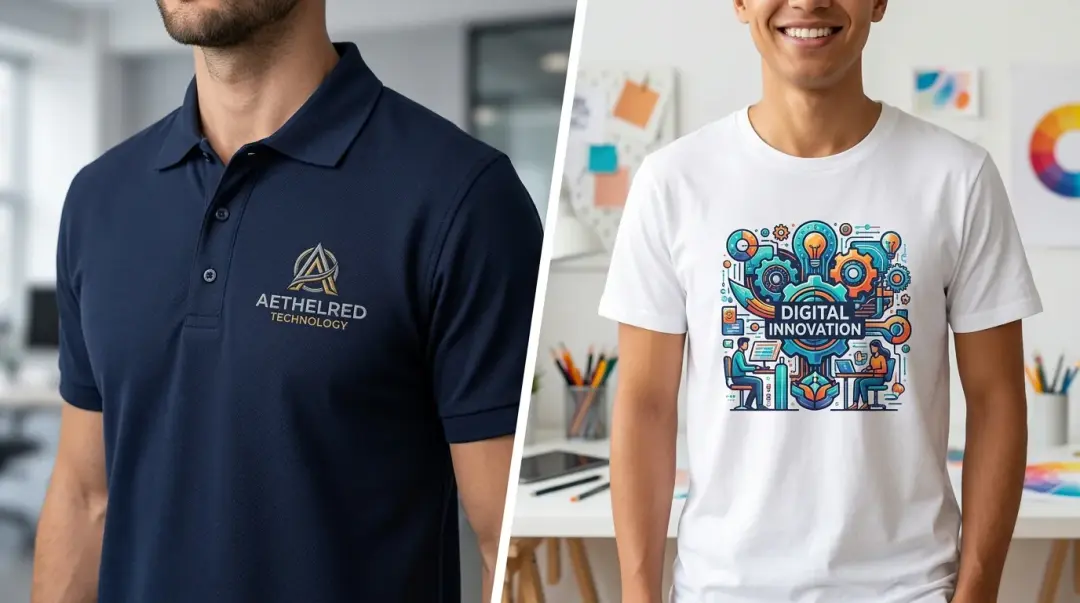
Understanding Apparel Decoration Methods
In the custom apparel industry, selecting the right decoration method is more than just a stylistic choice—it is a strategic decision that affects durability, brand perception, and cost. Direct to Film (DTF) printing and embroidery represent two distinct approaches to personalization, each serving different market segments and buyer expectations.
Understanding the distinction between these two technologies allows print shops to guide customers toward the best solution for their specific needs, whether it is for high-end corporate uniforms or vibrant, complex marketing merchandise.
Embroidery: The Premium Tactile Choice
Embroidery involves stitching thread directly into the fabric, creating a raised, tactile design. This method is the industry standard for professional environments, luxury workwear, and high-end branded merchandise.
Key Benefits of Embroidery
- Durability: Embroidery is exceptionally rugged, capable of withstanding industrial laundering and repeated wear without fading or cracking.
- Premium Perception: The physical dimension and texture of stitches communicate quality and structure, making it ideal for corporate branding.
- Structure: It performs best on structured fabrics like polos, heavy jackets, and caps, where the design remains fixed and professional.
Limitations
The primary drawbacks include high setup costs—specifically digitizing a design into a stitch file, which can range from $20 to $75 per design. Additionally, embroidery lacks the ability to render photorealistic imagery or complex color gradients, and fine details often lose definition at smaller sizes.
DTF Printing: The Full-Color Solution
DTF printing has revolutionized apparel decoration by allowing full-color, high-detail designs to be transferred onto almost any fabric type without the need for pre-treatment. It is essentially an ink-based digital transfer process.
Why Choose DTF?
- Zero Setup Fees: Unlike embroidery, DTF requires no digitizing, making it cost-effective for small runs and one-offs.
- Design Versatility: It handles photographic complexity, intricate color gradients, and fine-line art with ease.
- Speed and Cost-Efficiency: For full-color designs, DTF is significantly faster to produce and cheaper per unit than multi-color embroidery.
Comparative Summary
| Feature | Embroidery | DTF Printing |
|---|---|---|
| Finish | Raised, tactile | Flat, smooth |
| Detail Level | Limited (Low detail) | High (Photorealistic) |
| Setup Cost | High ($20-$75) | Zero |
| Best Application | Uniforms, Polo Shirts | Back prints, Performance wear |
Decision Rule: The Client Conversation
A reliable way to guide your client’s choice is to identify their primary concern during the consultation phase:
Rule of Thumb: If the client’s primary concern is "how does it feel," recommend embroidery. If their primary concern is "how does it look" or "how quickly can I get it," recommend DTF.
Practical Application in Modern Print Shops
Many successful shops utilize a hybrid approach. They offer embroidery for left-chest logos on polos and button-downs where the stitch feel is a value proposition. Concurrently, they use DTF for back designs, intricate full-color graphics, and high-performance synthetic fabrics where traditional embroidery might be cost-prohibitive or physically unsuitable due to weight.
Conclusion
Choosing between DTF and embroidery isn't about which method is 'better,' but about which technology aligns with the project's goal. By weighing the tactile professionalism of embroidery against the limitless design potential of DTF, businesses can ensure that every garment delivered meets and exceeds customer expectations. For more information, visit our Guides & Ideas blog — apparel decoration comparison or 'Which method?' category.
Frequently Asked Questions
Should I choose DTF printing or embroidery for my custom apparel?
What are the setup costs associated with embroidery compared to DTF?
Why is embroidery considered more durable than printing?
Can DTF printing handle complex designs better than embroidery?
How can I decide which decoration method to suggest to a client?
Comments
No comments yet. Be the first to share your thoughts!