
DTF Printing: Workwear vs. Fashion Apparel Strategies
Master DTF printing for workwear and fashion apparel. Discover the unique production, durability, and quality rules required for these distinct markets.
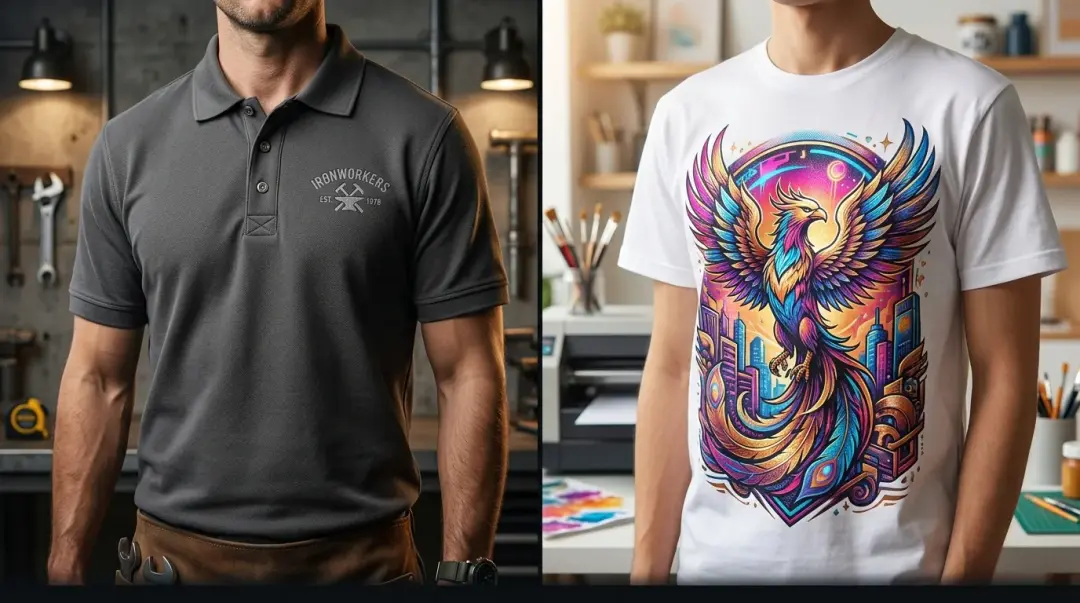
Understanding the Dual Markets of DTF Printing
Direct to Film (DTF) technology has revolutionized the custom apparel industry, but a common mistake among shop owners is applying a 'one-size-fits-all' production philosophy. Workwear and fashion apparel represent the polar ends of the DTF buyer spectrum. Understanding that these markets demand fundamentally different priorities—ranging from extreme durability to aesthetic innovation—is the key to scaling your printing business successfully.
To serve both segments, you must treat them as unique operational streams. A restaurant owner needing uniforms for twenty servers requires a completely different quality assurance protocol than a streetwear designer launching a limited-edition drop.
The Workwear Market: Prioritizing Durability and Consistency
Workwear clients—including construction companies, restaurant staff, healthcare facilities, and automotive shops—operate on long-term value. Their garments are tools, not accessories. These items undergo rigorous daily wear and often harsh commercial cleaning cycles.
Key Requirements for Workwear DTF
- Wash Resistance: The print must withstand dozens, if not hundreds, of industrial washes without cracking, peeling, or fading.
- Color Accuracy: Corporate branding requires exact color matching. A reorder six months later must be indistinguishable from the initial batch.
- Operational Reliability: Clients value a supplier who keeps meticulous production logs and ensures consistent, long-term output.
Production Best Practices for Workwear
To meet these demands, your production floor must be disciplined:
- Maximum Temperature Calibration: Always press at the manufacturer's recommended maximum for the specific fabric type to ensure the TPU adhesive achieves a deep bond.
- The Finishing Press: Never skip the second, finishing press. This step is critical for locking the ink into the fabric fibers and increasing wash durability.
- Documentation: Maintain a database of ICC profiles, press settings, and material types for every client. Consistent logs build the trust necessary to retain large commercial accounts.
- Education: Provide printed wash-care instructions with every order. Educating the client on how to care for their garments significantly reduces liability and warranty claims.
The Fashion Apparel Market: Valuing Uniqueness and Vibe
In contrast, the fashion apparel market—streetwear brands, boutique labels, and drop-style creators—prioritizes aesthetic impact over multi-year durability. These customers are looking for visual uniqueness, specialty effects, and rapid turnaround times to match fast-changing trends.
Key Requirements for Fashion DTF
- Specialty Effects: The ability to offer glitter, metallic foil, neon pigments, and expanded gamut prints is often more important than wash testing.
- Trend Responsiveness: Fashion brands need to move from design to finished garment in days, not weeks.
- Creative Aesthetics: Techniques like halftone-driven vintage looks or distressed effects are highly valued by streetwear consumers.
Strategic Investment for Fashion
While workwear requires operational consistency, the fashion segment rewards technical innovation:
Key Takeaway: Invest in high-end RIP software and specialty film/powder combinations. Fashion buyers are less concerned about 50-wash durability and more concerned about whether the design looks crisp, vibrant, and exclusive on the shelf.
Quick Comparison Table: DTF Market Needs
| Feature | Workwear | Fashion Apparel |
|---|---|---|
| Primary Priority | Durability & Consistency | Visual Impact & Uniqueness |
| Production Focus | Calibration & QC Logs | Specialty Effects & Speed |
| Wash Expectation | High (Industrial/Commercial) | Moderate (Consumer use) |
| Success Metric | Reorder Consistency | Creative Variety |
Conclusion: Routing for Success
You do not need to choose between these markets, but you must choose how you process them. By segmenting your workflow, you can route workwear orders through a rigorous, high-heat, high-documentation process, while directing fashion orders through a specialized, creative-heavy stream. Implementing this bifurcated approach ensures that you are not under-serving either market, ultimately driving higher retention and profitability in both segments. For more information on how our materials apply to these different industries, check out our DTF Transfers by Size product page — 'Use Cases' or market applications section.
Frequently Asked Questions
Why should I treat workwear and fashion apparel orders differently when using DTF printing?
What is the most critical step to ensure DTF workwear prints withstand industrial washing?
How can I maintain color consistency for repeat workwear clients?
What should I prioritize when setting up my DTF workflow for fashion brands?
Do I need separate equipment to serve both workwear and fashion apparel markets?
Comments
No comments yet. Be the first to share your thoughts!