
DTF Gang Sheets vs. Individual Transfers: Which to Choose?
Struggling between DTF gang sheets and individual transfers? Learn when to prioritize cost-efficiency or workflow convenience to maximize your print margins.
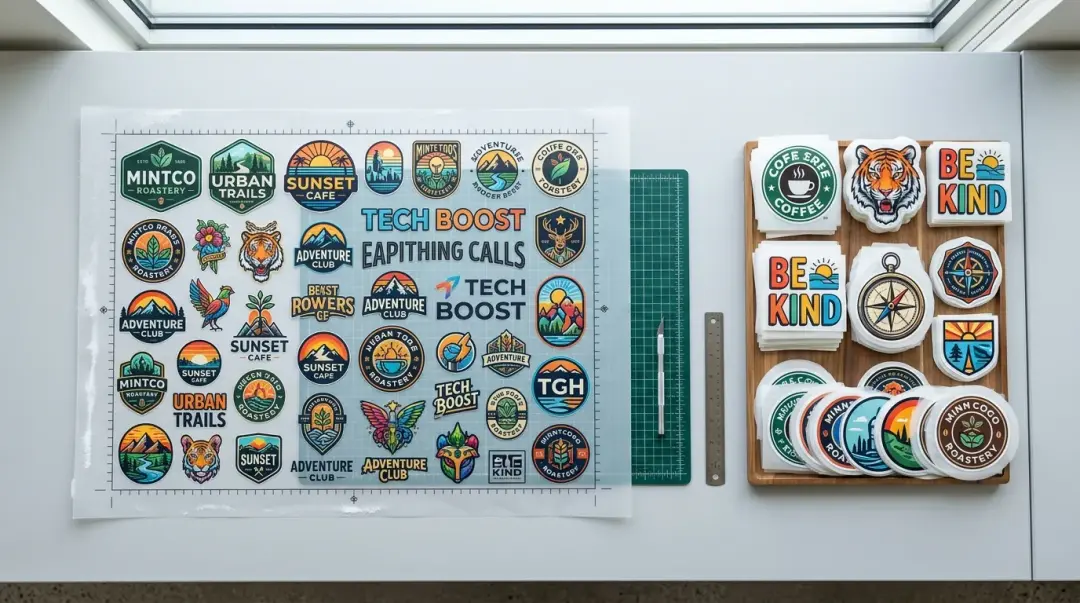
In the world of Direct to Film (DTF) printing, creators and business owners are often faced with a critical production choice: ordering individual transfers or consolidating designs into a gang sheet. Understanding the nuances of these two formats is essential, as choosing the wrong one can significantly impact your profit margins, workflow efficiency, and production flexibility.
Understanding Individual DTF Transfers
Individual DTF transfers are pre-cut, ready-to-press designs. When you order these, you specify the exact dimensions of a single design, and the supplier prints that image according to your requirements. There is no file layout work required on your end, as the vendor handles the file preparation for that specific piece.
When Individual Transfers Make Sense
While often more expensive on a per-square-inch basis, individual transfers offer unparalleled convenience. They are best suited for the following scenarios:
- Small Quantity Needs: If you only need 1–10 pieces of a specific design, the time spent building a gang sheet often outweighs the minor cost savings.
- New Design Testing: Before committing to a larger production run, ordering a few individual transfers is a low-risk way to test the market, verify print quality, and check color accuracy.
- Varied Design Requirements: When your order consists of vastly different designs with inconsistent sizes and quantities, the effort to arrange them into a cohesive, space-efficient gang sheet can be counterproductive.
Key Takeaway: Think of DTF Transfers by Size product page — individual vs gang sheet ordering options section as a premium for flexibility. You are paying for the service of having the vendor manage the layout, allowing you to focus purely on your creative output or small-scale fulfillment.
The Economic Power of DTF Gang Sheets
A gang sheet is essentially a large format film where you arrange multiple designs to maximize print area. By consolidating several images onto one sheet, you drastically reduce the wasted space on the film and the operational overhead for the printer.
Cost Efficiency at Scale
The financial difference is significant. According to industry pricing standards, while individual transfers often range from $0.08 to $0.15 per square inch, gang sheet pricing typically drops to between $0.015 and $0.03 per square inch. This represents a 3x to 5x cost reduction for the exact same ink coverage.
| Feature | Individual Transfers | Gang Sheets |
|---|---|---|
| Best For | Small batches, testing | Bulk production, restocking |
| Cost per sq. inch | Higher ($0.08–$0.15) | Lower ($0.015–$0.03) |
| Effort Required | Minimal (Upload & go) | High (Layout & nesting) |
| Minimums | None | Film space usage (e.g., 60-70% fill) |
Strategic Inventory Management
For established businesses—such as Etsy or Shopify sellers with a consistent catalog—gang sheets are the gold standard for profitability. The key to mastering this is tracking your sales velocity.
The Workflow for Success
- Analyze Weekly: Review which designs have sold through more than 10 units in the past month.
- Consolidate Restocking: Rather than ordering individual transfers whenever a design runs low, aggregate these restocking needs into a monthly gang sheet build.
- Maximize Utilization: Ensure your gang sheet is filled to at least 60–70% of its capacity to justify the setup cost and maximize film utility.
By implementing this inventory management habit, you keep your bestsellers in stock and prevent over-ordering slower designs. This disciplined approach minimizes your per-unit transfer cost and optimizes your bottom line over the long term.
Frequently Asked Questions
What is the primary difference between individual DTF transfers and DTF gang sheets?
When should I choose individual DTF transfers over gang sheets?
How much money can I save by using DTF gang sheets instead of individual transfers?
What is the most efficient way to manage inventory using DTF gang sheets?
Are there any disadvantages to using DTF gang sheets?
Comments
No comments yet. Be the first to share your thoughts!