
Specialty DTF Films vs. Standard: When to Upgrade
Unlock higher margins with specialty DTF films. Learn when to upgrade from standard to glitter, foil, or neon to boost profitability and attract premium customers.
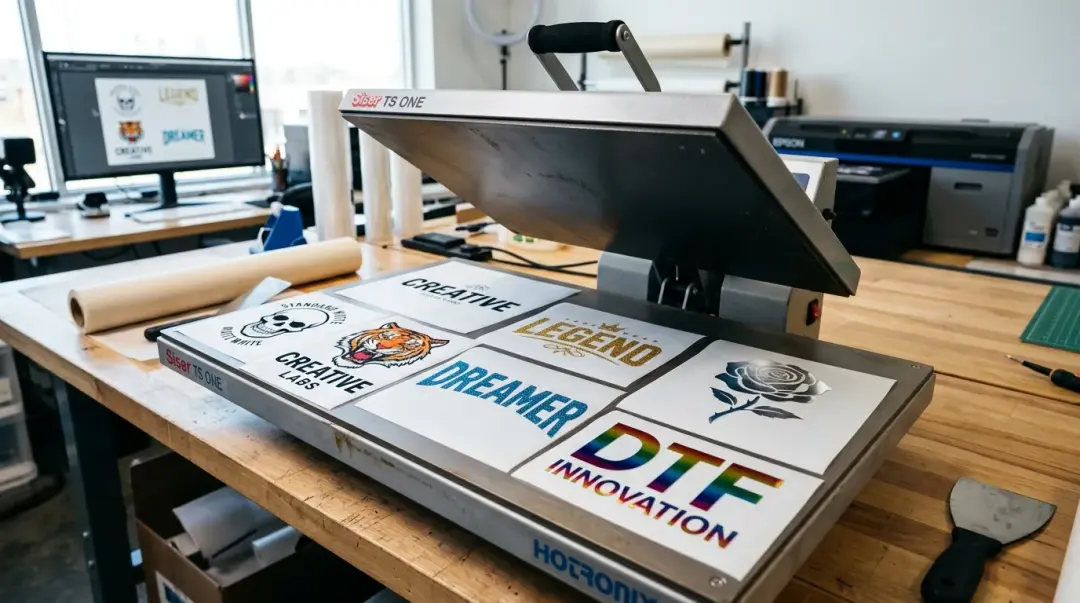
For many custom apparel shops, standard CMYK+W DTF film is the workhorse of the business. When used on a well-calibrated printer, it delivers excellent results—vivid colors, sharp edges, and durable wash performance that satisfies the vast majority of consumer and commercial buyers. However, as the custom apparel market becomes increasingly saturated, shop owners often find themselves asking: Is it time to upgrade to specialty DTF films?
While specialty films—such as glitter, metallic foil, glow-in-the-dark, iridescent, and neon fluorescent—offer exciting creative possibilities, they come with a higher barrier to entry. Deciding when to invest in these premium materials requires balancing market potential against operational reality.
Understanding the Margin Potential
The primary driver for adopting specialty films is margin expansion. Specialty materials command a premium, typically costing 2–5x more than standard film. Yet, the price premium they enable in the finished product is often much larger than the material cost increase.
| Film Type | Estimated Material Cost | Typical Retail Price (Finished) | Profit Margin Potential |
|---|---|---|---|
| Standard CMYK+W | $1.50 – $2.50 | $6.00 – $10.00 | Moderate |
| Specialty (Glitter/Foil) | $3.50 – $5.00 | $12.00 – $18.00 | High |
As illustrated, even a modest volume of specialty transfers can materially improve a shop's profitability per square foot of film processed. The value isn't just in the material; it’s in the unique aesthetic appeal that commands a higher price point from the end customer.
The Operational Decision Framework
The question is not whether specialty films produce better margins—they do—but whether the added complexity of managing multiple film types is operationally sustainable at your current volume and staffing level. Managing different pressing parameters and separate workflows can quickly become a bottleneck if not approached strategically.
1. Demand-Driven Implementation
The upgrade decision should be order-demand driven rather than capability driven. Do not stock specialty films based on what you hope to sell. Instead, validate actual customer demand through pre-orders or small test listings. If you can sell 20+ specialty DTF Transfers by Size product page — specialty effects or upgrade options section before you have even purchased the material, the demand signal is strong enough to justify the investment in inventory and workflow changes.
2. The Phased Expansion Strategy
Avoid the temptation to introduce multiple specialty types at once. Quality consistency is paramount for your reputation. Start with one specialty type, master its quirks, and scale from there.
- Glitter: The best starting point. It is universally popular, highly durable, and the easiest to press correctly.
- Metallic Foil: More temperature-sensitive than glitter; requires stricter heat control.
- Glow-in-the-Dark: Requires a strict cold-peel process and may produce softer final colors compared to standard film.
- Neon Fluorescent: Often requires specific ICC profile adjustments to prevent over-saturation in the CMYK channels.
Key Takeaway: Mastering one specialty type before expanding prevents the risk of providing mediocre results across multiple products, which can permanently damage your shop’s reputation for quality.
Practical Tips for Specialty Success
To successfully integrate these materials, you must treat them as distinct products with unique requirements:
- Maintain Separate Documentation: Create a "cheat sheet" for your heat press settings for each film type.
- Quality Control: Always run test prints. A failed batch of specialty film is significantly more expensive than a failed batch of standard film.
- Workflow Management: If your shop is high-volume, consider a dedicated workflow for specialty films to prevent cross-contamination or errors in the heat-pressing process.
Ultimately, the upgrade to specialty DTF films is a business strategy, not just a technical one. By validating demand first and mastering each material sequentially, you can successfully diversify your product line, increase your average order value, and significantly boost your bottom line.
Frequently Asked Questions
Is it worth upgrading to specialty DTF films for my custom apparel business?
How can I safely test customer demand for specialty DTF prints without buying a lot of stock?
Which specialty DTF film is best to start with for a beginner?
How do specialty DTF films differ in their pressing requirements?
What is the best strategy for introducing multiple specialty DTF films into my workflow?
Comments
No comments yet. Be the first to share your thoughts!