
White Label DTF Drop Shipping: Sell Transfers Effortlessly
Start a profitable DTF business without buying printers. Learn how white label drop shipping allows you to sell custom transfers under your own brand seamlessly.
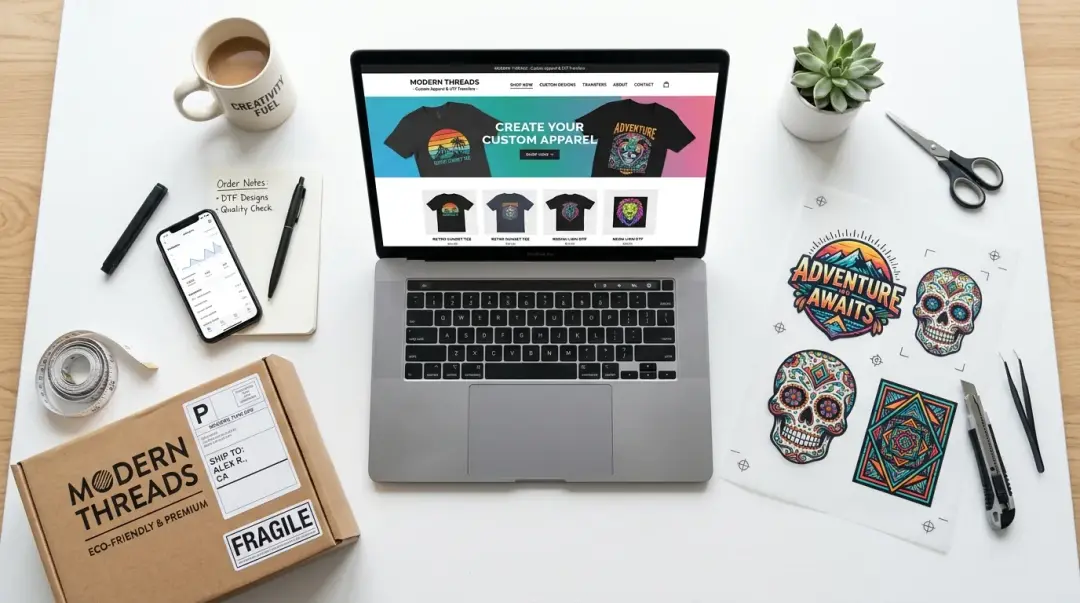
The Low-Barrier Entry into DTF Printing
For aspiring entrepreneurs looking to enter the custom apparel market, white label DTF drop shipping represents one of the most accessible and underutilized business models today. Unlike traditional Direct-to-Film (DTF) operations that require heavy investment in industrial printers, curing ovens, and inventory management, white label drop shipping allows you to focus entirely on design and sales while a partner handles the production.
By leveraging a wholesale partner, you act as the brand owner, while the fulfillment partner acts as your silent production floor. Your customers receive high-quality, professional transfers in packaging that bears your business name, not theirs. This model removes the technical learning curve and the capital risk associated with equipment ownership.
How the White Label DTF Model Works
The workflow is remarkably streamlined, designed to eliminate the logistical burdens of traditional fulfillment. Here is the step-by-step process for running a successful drop-ship operation:
- Storefront Setup: Build your online presence via platforms like Shopify, Etsy, or WooCommerce.
- Customer Order: A customer purchases a custom transfer or apparel design from your store.
- Order Forwarding: You automatically or manually forward the customer's order to your wholesale DTF Gang Sheets product page — wholesale or 'For Businesses' section partner.
- Blind Fulfillment: The partner prints, cures, and packages the order. Crucially, they use blind shipping, ensuring the package identifies your brand as the sender.
- Direct Delivery: The finished product is shipped directly to your customer, allowing you to bypass inventory management entirely.
Economics: Margin Potential
Profitability in this space hinges on understanding square-inch pricing. Most wholesale DTF providers charge between $0.015 and $0.03 per square inch for gang sheets. Consider the following breakdown for a standard 22x36" sheet:
| Metric | Estimated Value |
|---|---|
| Wholesale Production Cost | $7.00 - $10.00 |
| Retail Selling Price | $22.00 |
| Gross Margin | 55% - 68% |
Note: These figures are pre-platform fees and shipping costs. As your volume increases beyond 50–100 sheets per month, you should negotiate dedicated wholesale volume pricing to push these margins even higher.
Key Strategies for Competitive Advantage
Because the printing process is effectively commoditized, you must differentiate yourself through brand positioning and operational efficiency.
Focus on Niche Targeting
Avoid the "generalist" trap. Instead of selling generic designs, build a focused catalog around 2–3 tight niches. Examples include:
- Specific dog breeds or pet-lover subcultures
- Regional sports teams or local event commemorative designs
- Seasonal, high-demand holiday themes
Professional Presentation Without Samples
You don't need a physical shop to launch. Use high-quality mockup generators to create lifestyle product imagery. These tools allow you to visualize your designs on garments, providing potential customers with a realistic expectation of the finished product without the need to hold stock.
Building Long-Term Partnerships
Key Takeaway: Your wholesale partner is the backbone of your business. As you scale, treat your relationship with them as a B2B partnership. Established providers in hubs like Dallas and New Jersey are constantly seeking reliable resellers to fuel their most profitable revenue streams. Always prioritize suppliers who offer dedicated white-label programs.
By treating your supplier as a strategic partner, you gain access to faster turnarounds and more reliable quality control. This consistency is exactly what will turn one-time customers into repeat, loyal buyers of your brand.
Frequently Asked Questions
What is white label DTF drop shipping?
How does 'blind shipping' work in this process?
What kind of profit margins can I expect with DTF drop shipping?
How can I market my designs without having physical inventory?
What should I look for when choosing a wholesale DTF partner?
Comments
No comments yet. Be the first to share your thoughts!