
DTF vs. DTG Printing: Choosing the Right Method for Each Job
Choosing between DTF and DTG printing? Discover which method wins for your apparel business based on fabric, cost, versatility, and print quality requirements.
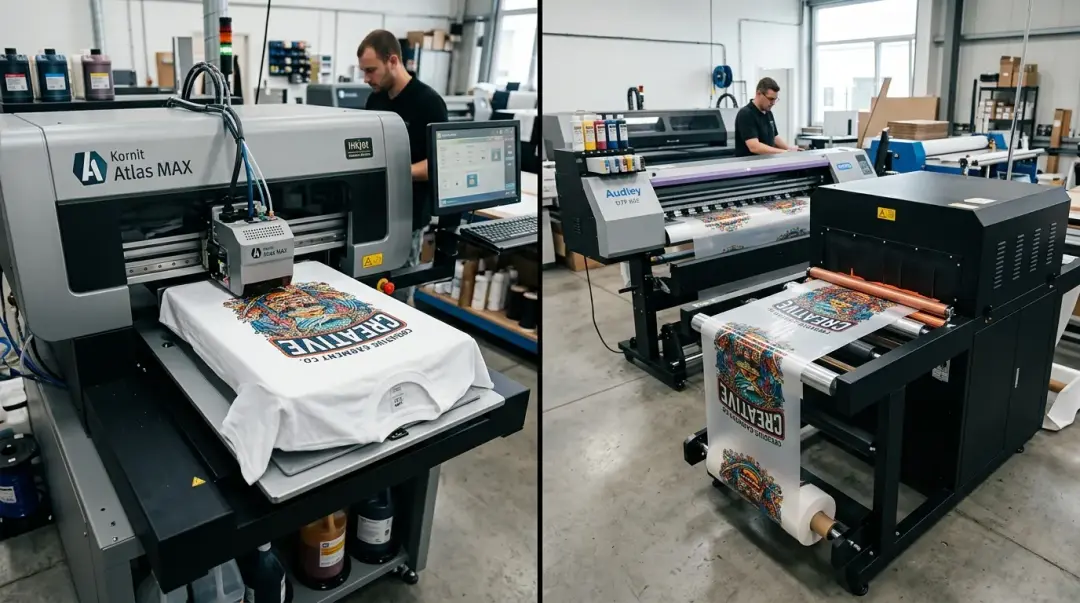
Understanding the Core Differences in Digital Apparel Printing
Direct-to-Garment (DTG) and Direct-to-Film (DTF) are the two titans of modern digital apparel decoration. While both technologies enable vibrant, full-color printing on demand, they operate on fundamentally different engineering principles. Choosing the right method depends entirely on your target market, the fabric types you frequent, and the specific "hand feel" requirements of your clients.
At its core, DTG is a specialized process that sprays water-based ink directly into textile fibers, functioning much like a desktop inkjet printer for fabric. DTF, by contrast, involves printing onto a specialized PET film, coating it in a heat-activated adhesive powder, and transferring that design onto the substrate via a heat press.
DTG Printing: The Gold Standard for 100% Cotton
DTG remains the preferred choice for premium retail-quality apparel, specifically when working with 100% cotton garments. Because the ink is absorbed directly into the fabric, the result is exceptionally soft and breathable.
Advantages of DTG
- Superior Hand Feel: With virtually no "hand feel" or tactile layer, the print essentially becomes part of the shirt fabric.
- Breathability: Ideal for high-end fashion lines where comfort is the primary selling point.
- Durability: Because the ink permeates the fibers, the design integrates seamlessly, resisting surface cracking over time.
The Trade-Offs
DTG's primary limitation is its dependency on cotton-rich fabrics. To achieve vibrant results on dark garments, the fabric must undergo a pre-treatment process—an extra step that adds time, cost, and chemical overhead. If you are printing on polyester or performance gear, traditional DTG will often lack the necessary color fastness.
DTF Printing: The Ultimate Versatility Solution
If DTG is a specialized tool, DTF is a Swiss Army knife. DTF has revolutionized the industry by removing the barriers of fabric composition and garment color.
Why DTF Dominates the Versatility Market
- Substrate Agnostic: DTF prints effectively on cotton, polyester, blends, nylon, leather, and even treated wood or metal.
- No Pre-treatment Required: The heat-activated TPU adhesive powder acts as the binder, meaning you can print on dark or light garments immediately without chemical pretreatment.
- Efficiency and Speed: The workflow is significantly faster, as it eliminates the drying and pre-treatment steps inherent to DTG.
Advancements in Quality
Historically, DTF prints were criticized for having a heavy "plastic" feel. However, modern low-melt powders and advanced halftoning techniques have bridged this gap significantly. While large, solid-color designs may still have a subtle tactile surface, they are often indistinguishable from screen prints to the average consumer.
Comparison Table: DTF vs. DTG at a Glance
| Feature | DTG | DTF |
|---|---|---|
| Fabric Compatibility | Mostly Cotton (100% preferred) | Virtually any substrate |
| Pre-treatment | Required for darks | Not required |
| Hand Feel | Soft/Breathable | Slightly tactile (improving) |
| Workflow Speed | Moderate (Drying required) | Fast (Transfer process) |
| Cost per Print | Higher (due to prep) | Generally lower |
Choosing the Right Method for Your Business
Key Takeaway: If you are starting from scratch and need to serve the broadest possible customer base, DTF is the superior choice for versatility. If your business model focuses specifically on premium, fashion-forward brands that demand the ultimate cotton hand feel, DTG remains a necessary investment.
Practical Strategic Application
Many successful high-volume print shops now run both technologies in parallel. This hybrid model allows them to:
- Use DTG for light-colored, 100% cotton jobs where the premium soft-touch print is the primary deliverable.
- Use DTF for all other jobs: polyester performance gear, branded workwear on polyester blends, and complex dark-garment orders.
By leveraging the unique strengths of each technology, you can maximize your shop's profitability while ensuring you never have to turn away a customer due to fabric or design limitations.
Frequently Asked Questions
What is the primary difference between DTG and DTF printing?
Why would I choose DTG over DTF for my apparel business?
Does DTF printing require pre-treatment like DTG?
Can DTF printing be used on fabrics other than cotton?
Is it true that DTF prints have a heavy, plastic feel?
Comments
No comments yet. Be the first to share your thoughts!