
Expanding Your Revenue with UV DTF: Tumblers & Hard Goods
Boost shop revenue with UV DTF for tumblers and hard goods. Discover how to create premium, high-margin products beyond fabric without needing a heat press.
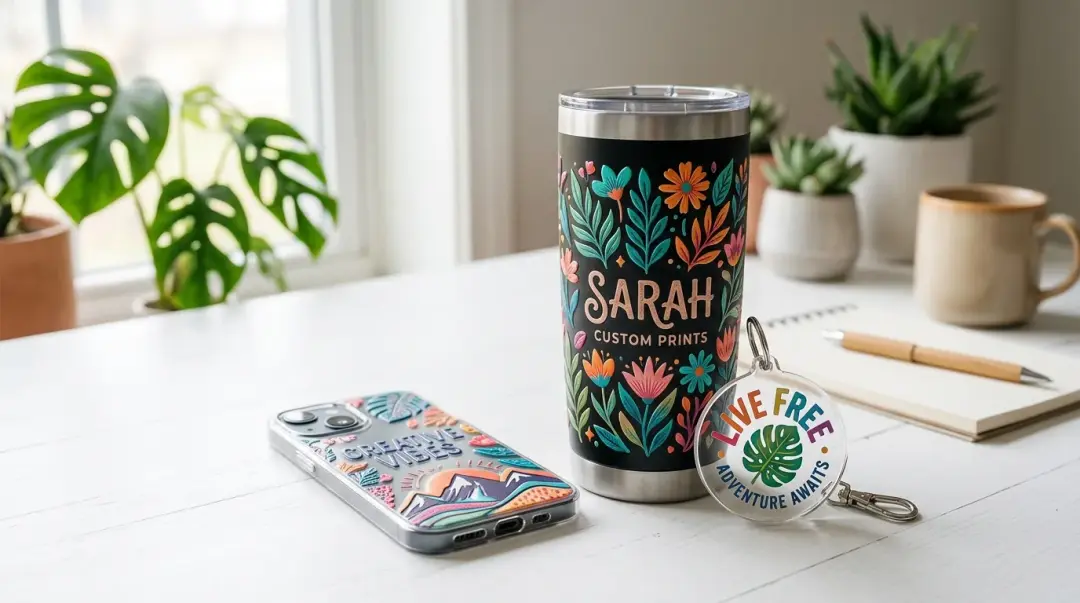
Unlock New Revenue Streams with UV DTF Technology
For many apparel shops, the business model has long been tethered to fabric. Whether screen printing, embroidery, or standard DTF, the focus remains on textiles. However, the rise of UV DTF (Direct to Film) technology has fundamentally shifted the landscape, allowing shops to pivot effortlessly into the high-demand world of hard goods. By expanding your capabilities beyond apparel, you can capitalize on viral product trends and lucrative corporate markets.
UV DTF printing bridges the gap between traditional sticker production and professional-grade industrial printing. Unlike standard vinyl or eco-solvent stickers, UV DTF transfers utilize UV-cured ink layers that provide tangible dimension and texture. This premium feel instantly elevates the perceived value of your products, helping you command higher retail prices.
The Viral Potential of Custom Tumblers
The demand for custom drinkware is not just a passing trend; it is a permanent fixture in the promotional and retail sectors. Specifically, Stanley-style cups and Yeti-compatible wraps have become social media sensations, driven by content creators on TikTok and sustained by steady demand on platforms like Etsy and Shopify.
Cost Efficiency and Profit Margins
One of the most compelling reasons to integrate UV DTF is the sheer profitability. Producing a high-quality UV DTF cup wrap costs roughly $1.50 to $3.00 in materials. These can be retailed as standalone DIY wraps for $8 to $15, or as part of a premium bundled tumbler package priced between $25 and $45.
The Simplified Application Process
Unlike fabric decoration, UV DTF requires absolutely no heat press, reducing your equipment footprint and speeding up production. The application workflow is straightforward:
- Clean the surface: Use isopropyl alcohol to ensure the substrate is free of oils and dust.
- Peel: Remove the protective UV DTF backing.
- Press: Align and press the transfer onto the hard surface.
- Smooth: Use a squeegee to remove any air bubbles, ensuring total adhesion.
Beyond Drinkware: Expanding Your Catalog
While tumblers are the current headline-grabbers, the UV DTF market for hard goods is vast and largely untapped by traditional apparel shops. These products cater to event planners, corporate gift buyers, and local businesses that typically require higher order volumes. Explore our UV DTF Stickers by Size to find the perfect fit for your projects.
| Application | Ideal Market | Value Proposition |
|---|---|---|
| Phone Case Wraps | Retail & Boutiques | Personalized, tactile style |
| Acrylic Keychains | Events & Merch | Durable, high-end promo |
| Ceramic Coasters | Corporate Gifting | Functional brand exposure |
| Glass Awards | Corporate & Sports | Premium custom branding |
Why UV DTF Beats Standard Vinyl
The key differentiator between UV DTF and conventional adhesive vinyl is the cured ink density. Standard vinyl is flat and prone to peeling, especially on curved surfaces or after repeated handling. UV DTF transfers are inherently more durable, water-resistant, and possess a professional, embossed appearance that signals quality to the end-user.
Key Takeaway: A shop that can offer matching shirt transfers and branded tumbler wraps for a corporate event or sports team serves a client's complete merchandising needs from a single production relationship. This cross-selling capability is a powerful competitive advantage that locks in long-term corporate clients.
Final Thoughts
Adding UV DTF to your production capabilities is one of the lowest-barrier ways to scale your business. The learning curve is minimal for any shop already familiar with standard DTF processes. By transitioning from a "fabric-only" shop to a full-service custom brand provider, you open your business to higher-margin orders and a more diverse, resilient revenue stream.
Frequently Asked Questions
What is the main difference between UV DTF and standard DTF printing?
Do I need a heat press to apply UV DTF transfers?
Why is UV DTF considered better than standard adhesive vinyl?
What kind of items can I customize using UV DTF?
Is UV DTF printing a profitable addition for an apparel shop?
Comments
No comments yet. Be the first to share your thoughts!