
Gang Sheets for Event Merch: Build, Price & Deliver Fast
Master high-stakes event merch with DTF gang sheets. Learn how to build, price for rush, and ensure on-time delivery without risking your reputation.
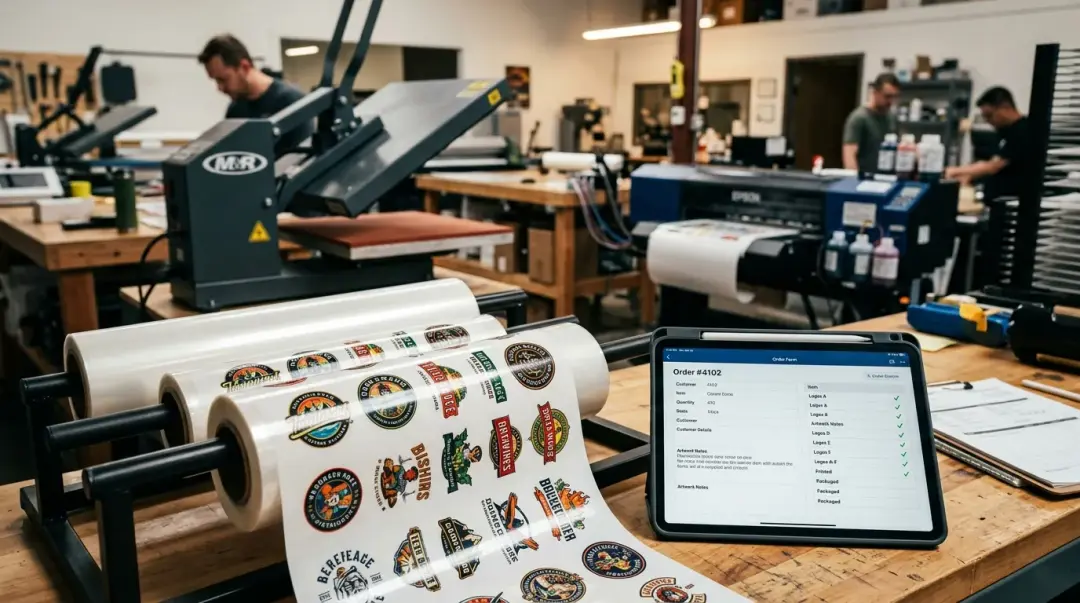
Mastering High-Stakes Event Merch with DTF Gang Sheets
Event merchandise orders are the highest-urgency, highest-margin jobs in the DTF printing space. Unlike standard retail orders where minor banding or alignment issues can be corrected with a reprint, event merchandise often has a hard deadline—the day of the event. If you miss that window, the products are essentially worthless.
Gang sheet production is the fastest and most cost-effective way to fulfill these orders at scale. However, the workflow for event-specific gang sheets requires a fundamental shift in mindset: operational reliability trumps absolute material efficiency.
The Event-Ready Gang Sheet Strategy
When you are printing for a time-sensitive event, you do not have the luxury of waiting for a reprint if a transfer fails during the heat-pressing process. You must build your production workflow to eliminate single points of failure.
Build in a Safety Margin
For standard orders, you might pack your gang sheets with surgical precision to minimize waste. For event orders, do the opposite. Build your gang sheets with 10–15% extra copies of every design beyond the customer's minimum quantity.
- The Cost Reality: Film and ink are relatively inexpensive compared to the labor and rush-shipping costs associated with reprinting an entire job under deadline pressure.
- The Time Reality: Pressing time is your scarcest resource. Having an extra transfer on hand means the difference between finishing an order and missing a hard deadline.
Streamlined Proofing and Queue Management
Never start production on an event job without a signed digital proof. In a high-speed environment, a misunderstanding about artwork dimensions or colors is catastrophic. Structure your production queue so that event jobs are prioritized, and dedicate a specific staff member or time block to handle the post-print trimming and quality control of these specific sheets.
Pricing for Urgency and Risk
Pricing event merch incorrectly is a common mistake that leads to burnout. You aren't just selling transfers; you are selling deadline assurance. Your pricing structure must reflect the risk involved and the priority you are giving their job over your other clients.
| Order Type | Base Sheet Cost | Typical Rush Premium |
|---|---|---|
| Standard 22x36" Gang Sheet | $18 – $25 | N/A |
| 24-Hour Rush 22x36" Sheet | $28 – $38 | 30% – 40% (Markup) |
Implementing the Event Surcharge
When providing a quote, clearly itemize your “Rush Production Surcharge.” A 30–40% event rush surcharge is standard in the industry. Event clients who are sophisticated enough to understand the operational requirements of custom merch will rarely push back on this, provided you communicate the value of guaranteed delivery.
The Secret Weapon: The Event Intake Form
Back-and-forth emails are the enemy of speed. If you are handling 5–10 event orders simultaneously, a missing garment size or a slightly incorrect logo file can stall your entire shop. Create a mandatory event order intake form that includes:
- Event Date: The "drop-dead" deadline.
- Final Quantity Needed: The count *after* your 10–15% buffer.
- Design Files: Must be print-ready (PNG, 300dpi, transparent background).
- Garment Specs: Sizes, colors, and material type (to adjust heat settings).
- Logistics: Preferred pickup time or delivery method.
Key Takeaway: By centralizing these details in a single intake form, you eliminate 90% of communication friction. This allows you to provide an accurate quote and a binding delivery commitment in your very first response, setting professional expectations immediately.
Final Checklist for Deadline Success
- Validate Files Early: Do not add files to the print queue until they are checked for resolution and transparency issues.
- Batch the Pressing: If you are supplying finished garments, stage them by size before you even begin cutting the transfers.
- Maintain Your Equipment: Perform head cleaning and maintenance checks *before* starting the event run to avoid unexpected banding or nozzle clogs.
- Gang Sheets product page — rush orders or event production section
Frequently Asked Questions
Why should I include extra copies when building gang sheets for event merchandise?
How should I structure my pricing for urgent event merchandise orders?
What information is essential to include in a mandatory event order intake form?
What equipment maintenance steps are critical before starting a high-stakes event job?
Should I print event jobs without a signed digital proof?
Comments
No comments yet. Be the first to share your thoughts!