
How DTF Printing Excels at Intricate Designs
Discover how DTF printing handles intricate designs and fine details through digital precision, offering a superior alternative for complex, full-color apparel.
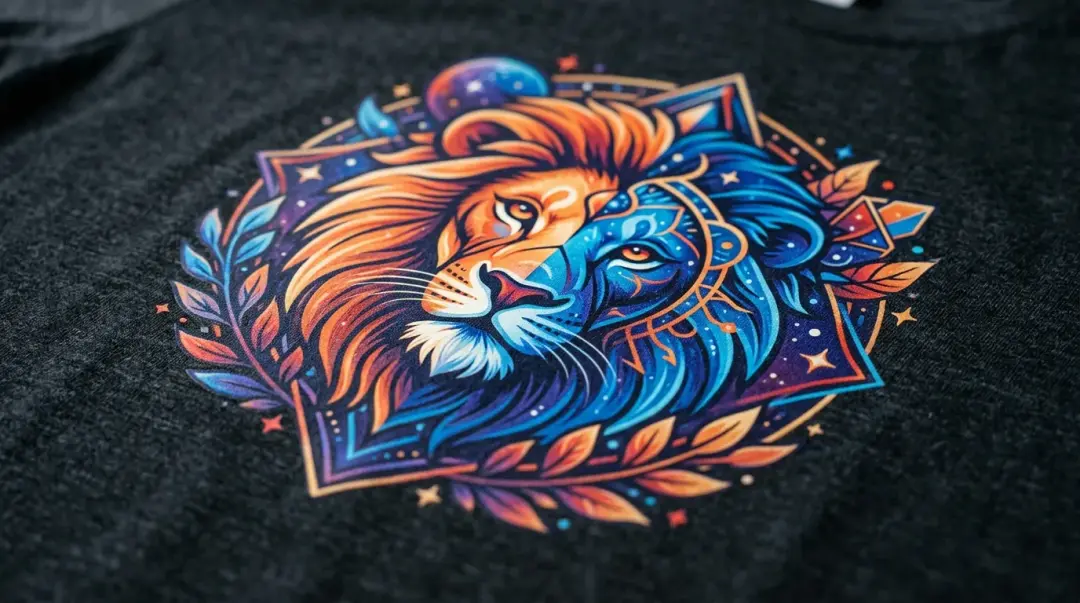
Why DTF Printing is the Gold Standard for Intricate Designs
For apparel decorators and custom clothing brands, the ability to reproduce complex artwork with precision is paramount. Traditionally, techniques like screen printing and vinyl cutting imposed significant limitations on fine lines, color counts, and gradient transitions. Direct-to-Film (DTF) printing has revolutionized this landscape, emerging as the preferred technology for handling intricate designs and fine details with unprecedented accuracy.
Unlike traditional analog methods, DTF is a fully digital process. It eliminates the need for screen creation, color separation, or tedious hand-weeding. Because the system operates as a single-pass digital print, it can reproduce high-resolution, multi-color illustrations, small lettering, and smooth gradients without the overhead or complexity associated with traditional production methods.
The Digital Advantage: No Screens, No Limits
The core strength of DTF lies in its digital nature. Because there are no physical screens to burn or align, there is no restriction on the complexity of the design. You can incorporate unlimited colors, intricate photographic details, and complex shading without adding any setup time or cost.
- Elimination of Weed Lines: Unlike HTV (Heat Transfer Vinyl), where fine details must be manually weeded and lines are limited by the cutter's blade width, DTF requires no physical cutting. This allows for incredibly delicate designs that would be impossible to produce with vinyl.
- Full-Color Reproduction: DTF systems print CMYK colors directly onto a transparent PET film, supported by a white ink layer for opacity. This capability makes it ideal for photorealistic prints and complex vector graphics that would require prohibitive screen counts in traditional screen printing.
Mastering Fine Details: File Preparation is Key
While the hardware is capable of extreme precision, the final output quality is heavily dependent on the quality of your digital file. To ensure your intricate designs translate perfectly to the garment, follow these professional prep guidelines:
Essential Artwork Best Practices
- Resolution: Always work with high-resolution assets. A transparent PNG at 300 DPI at the final print size is the industry standard for crisp, professional results.
- Edge Cleanliness: Avoid fringing or semi-transparent halos. Even subtle artifacts in your file's alpha channel can become visible once pressed onto a garment. Ensure all edges are sharp and clean.
- Minimum Detail Constraints: While DTF is excellent for fine lines, physical limits exist. As a rough guide, lines should be at least 0.5 mm to 0.6 mm thick to ensure they do not break up or disappear during the powdering and curing process. Very tiny text may also risk "filling in" due to dot gain.
Comparison: DTF vs. Traditional Methods
| Feature | DTF Printing | Screen Printing | Vinyl (HTV) |
|---|---|---|---|
| Fine Details | Excellent (Digital) | Limited (Mesh count) | Low (Weeding limit) |
| Color Complexity | Unlimited | Costly per color | Layer-dependent |
| Setup Complexity | Low (Digital) | High (Screen/Ink prep) | Medium (Cutting) |
Optimizing Ink Management for Sharp Results
To maintain integrity in fine lines and text, proper ink management is critical. Over-inking often results in "dot gain," where excessive ink droplets spread beyond their intended boundaries. This is the most common cause of small text filling in or fine lines appearing thicker than intended.
Key Takeaway: Utilize calibrated ICC profiles and strict ink-limiting settings in your RIP (Raster Image Processor) software. A balanced ink density ensures the sharpest possible edges for your most intricate design elements.
For professionals looking to achieve the best results, the safest approach remains testing. If your design features ultra-fine elements, print a test sample on a scrap piece of fabric using your specific printer, film, and heat press settings before committing to a full production run.
Frequently Asked Questions
Why is DTF printing considered better than HTV or screen printing for intricate designs?
What are the essential file preparation requirements for high-quality DTF prints?
Are there physical limitations to how small or fine my DTF designs can be?
How can I prevent small text from filling in or lines appearing too thick in my prints?
Should I test my designs before starting a large production run?
Comments
No comments yet. Be the first to share your thoughts!