
How to Get Personalized DTF Printing Consultations
Stop guessing your order specs. Learn how to secure a personalized consultation for your DTF printing needs to ensure high-quality, professional results.
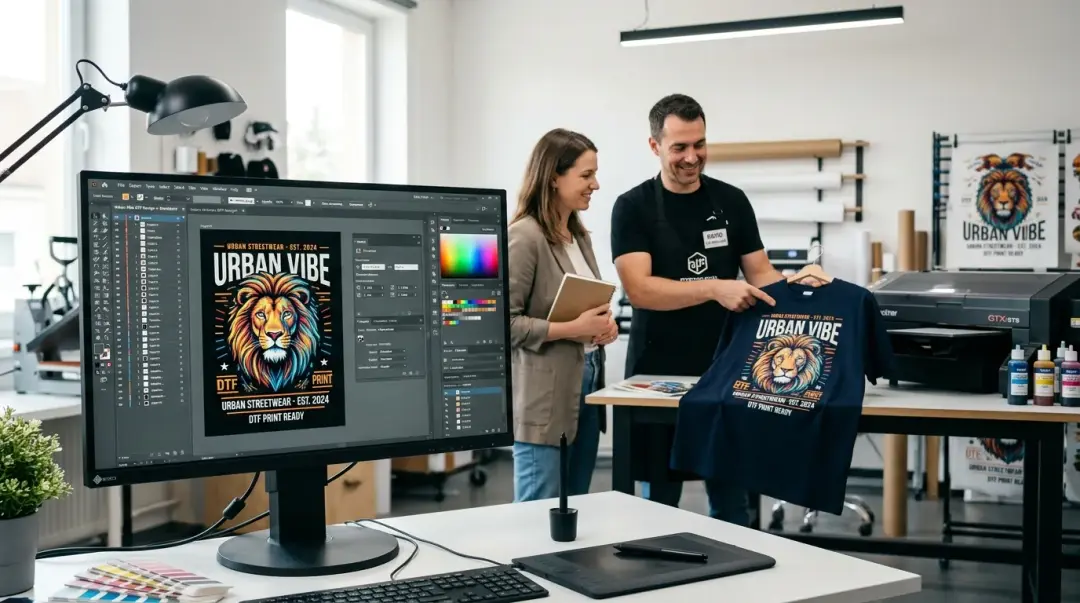
Direct to Film (DTF) printing has revolutionized the custom apparel industry, offering vibrant, durable, and highly versatile transfers. However, navigating the technical requirements—from file preparation to optimal heat press settings—can be daunting for newcomers and seasoned professionals alike. The most effective way to avoid costly mistakes is to secure a personalized consultation for your DTF printing needs.
Why Seek a Personalized Consultation?
While online order forms are convenient for standard jobs, they rarely capture the nuances of complex projects. A personalized consultation connects you directly with experts who can identify potential issues, optimize your gang sheet layouts, and recommend the best transfer types for your specific fabric bases.
According to industry standards, engaging in a dialogue before printing can significantly reduce the risk of adhesion failures, color mismatches, and wasted inventory. It is a proactive step that moves your project from a simple transaction to a collaborative partnership.
How to Initiate Your Consultation
Getting in touch with a professional DTF provider is straightforward if you know where to look. Most reputable shops prioritize customer support as part of their service model.
- Contact Forms: Use the shop’s dedicated contact or “Get a Quote” page to provide a high-level overview of your needs.
- Direct Email: For detailed projects, sending an email allows you to attach artwork files and specific technical questions.
- Phone Support: Nothing beats a real-time conversation for clarifying complex requirements or discussing recurring orders.
- Live Chat: Check if your provider offers live chat during business hours for quick, immediate guidance on minor issues.
Preparing for Your Consultation
To maximize the value of your consultation, come prepared. The more information you provide, the more tailored the advice will be. Before reaching out, organize the following details:
| Information Category | What to Provide |
|---|---|
| Artwork | Transparent PNG files, ideally at 300 DPI. |
| Garment Specs | Fabric composition (e.g., 100% cotton, polyester blend) and color. |
| Project Scale | Rough quantity, deadline, and frequency of orders. |
Key Topics to Discuss
When you have the expert on the line, ensure you address these critical technical aspects:
- Transfer vs. Gang Sheet: Ask whether individual prints or a gang sheet (arranging multiple designs on one sheet) is more cost-effective for your quantity.
- Heat Press Settings: Request specific temperature, time, and pressure recommendations for your specific garment fabric.
- File Validation: Ask if they can perform a pre-production check to flag issues like low resolution or transparency errors.
Key Takeaway: A good DTF provider wants to talk through your project. Don't guess on your first order—reach out via their contact channels to establish a relationship and ensure print success.
Taking It Further: In-Person and Business Accounts
For those local to a provider, an in-person visit is the gold standard for consultations. It allows you to feel the hand-feel of the prints, inspect color vibrancy on different materials, and talk through your production needs face-to-face.
If you are planning to order regularly, ask about wholesale or reseller accounts. These business-tier accounts often grant you a dedicated point of contact, ensuring that your specific requirements are understood for every subsequent order, which provides long-term consistency for your brand.
Frequently Asked Questions
Why should I request a personalized consultation instead of just ordering online?
What information should I have ready before speaking with a DTF printer?
Should I choose individual prints or a gang sheet for my order?
Why is it important to confirm heat press settings with my DTF provider?
What are the benefits of setting up a wholesale or reseller account?
Comments
No comments yet. Be the first to share your thoughts!