
Choosing the Right Heat Press for DTF Transfers
Unlock pro-level quality with our guide to choosing the right heat press for DTF transfers. Learn essential temperature, pressure, and machine features.
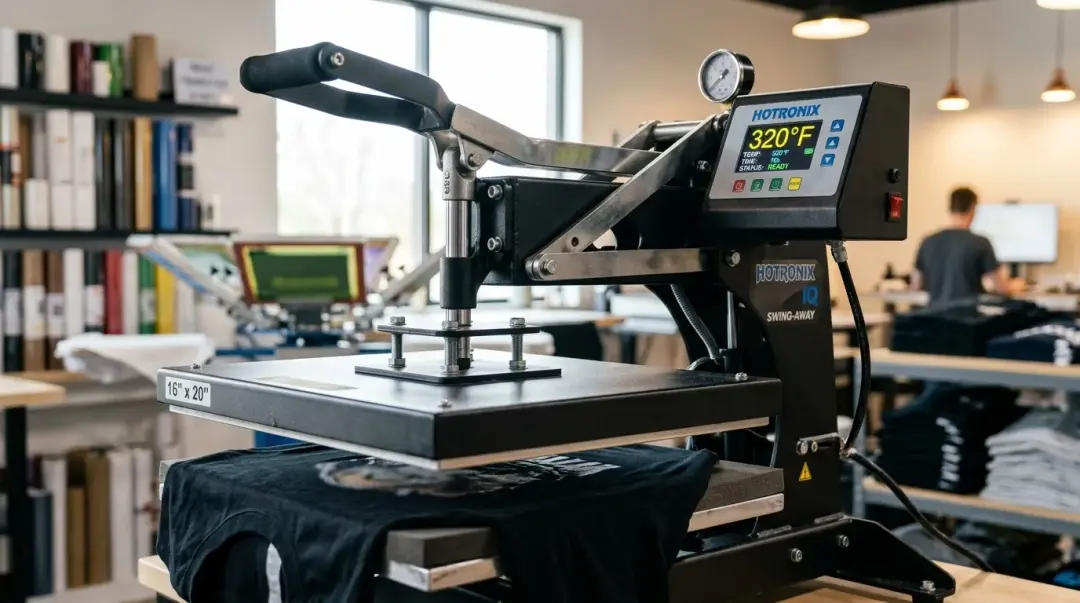
Achieving professional-grade results in Direct to Film (DTF) printing is heavily dependent on the equipment used during the final stage of production: the heat press. While the printing process itself is critical, the bond between the DTF transfer and the garment relies entirely on the consistency of your heat press. Not all machines are created equal, and choosing the best heat press for DTF transfers is a foundational step for any business.
Essential Features for DTF Heat Presses
When evaluating potential heat presses, you must prioritize three key variables: temperature stability, pressure distribution, and timing control. DTF transfers generally require a temperature range of 280–320°F (137–160°C). If your machine cannot hold these temperatures consistently across the entire platen, you will inevitably deal with peeling designs or scorched fabric.
Temperature Stability
DTF adhesive requires precise heat to activate and bond correctly with garment fibers. A machine with poor heating elements will experience "cold spots," resulting in uneven adhesion. Look for machines with high-quality heating coils and digital controllers that provide real-time, accurate temperature readings.
Even Pressure Distribution
Pressure is often the most overlooked factor in DTF success. Insufficient or uneven pressure prevents the adhesive from fully penetrating the fabric fibers. This often leads to prints that crack or peel after the first few laundry cycles. Industrial-grade presses are designed to apply uniform force across the entire platen area, ensuring a reliable, long-lasting bond.
Comparing Heat Press Styles
The physical design of your heat press dictates how easy it is to work with and how consistent your results will be. Here is a breakdown of common types used in the industry:
| Press Type | Best For | Pro/Con |
|---|---|---|
| Clamshell | Beginners | Cost-effective, but can apply uneven pressure on thicker items. |
| Swing-Away | Versatility | Provides clear, safe access to the platen and uniform downward pressure. |
| Pneumatic | Production | Eliminates manual effort, ensures consistent pressure, reduces operator fatigue. |
Why Design Matters
While clamshell presses are a common and cost-effective starting point, their angled pressure mechanism can be problematic. Because the top platen lowers in an arc, it may apply more pressure to the back of the garment than the front, leading to inconsistent transfer quality. Swing-away and draw-style presses solve this by lowering the platen perfectly vertical, ensuring even pressure across the surface.
Production Considerations: Moving Beyond Manual
For high-volume shops, pneumatic auto-open presses are highly recommended. Manual presses require the operator to physically pull down the handle, which can vary in force and lead to repetitive strain over long production runs. Pneumatic systems automate the pressure, ensuring that every single shirt receives the exact same amount of force. This eliminates human error and dramatically increases output consistency.
Pro Tips for DTF Transfer Durability
Even with the best hardware, your technique matters. Always utilize a protective layer between your heat platen and the transfer.
- Protective Layers: Use a Teflon sheet or a silicone pad to protect both the garment and the platen from adhesive residue.
- The Finishing Press: For superior wash durability and a softer "hand feel," perform a second press after the initial transfer. During this stage, use a piece of parchment paper to prevent the ink from sticking to the platen, effectively "curing" the print into the fabric.
Key Takeaway: Invest in a machine that offers stable temperature control and vertical-pressure distribution. While a clamshell press is acceptable for entry-level work, a swing-away or pneumatic press is necessary to ensure consistent, long-lasting DTF results for professional-grade apparel.
Ultimately, choosing the right heat press is about balancing your current production volume with your long-term quality requirements. Start with a reliable, well-reviewed unit that allows for precise adjustments, and your DTF transfers will stand the test of time.
Frequently Asked Questions
What are the essential factors to consider when choosing a heat press for DTF printing?
Why is the physical design of a heat press important for DTF transfers?
When should a business consider upgrading to a pneumatic heat press?
What is a 'finishing press' and why is it recommended for DTF prints?
How can I prevent my DTF prints from peeling after washing?
Comments
No comments yet. Be the first to share your thoughts!