
DTF Printing on Polyester & Athletic Wear: Essential Guide
Master DTF printing on polyester and performance wear. Learn to prevent dye migration, optimize heat press settings, and achieve professional, durable results.
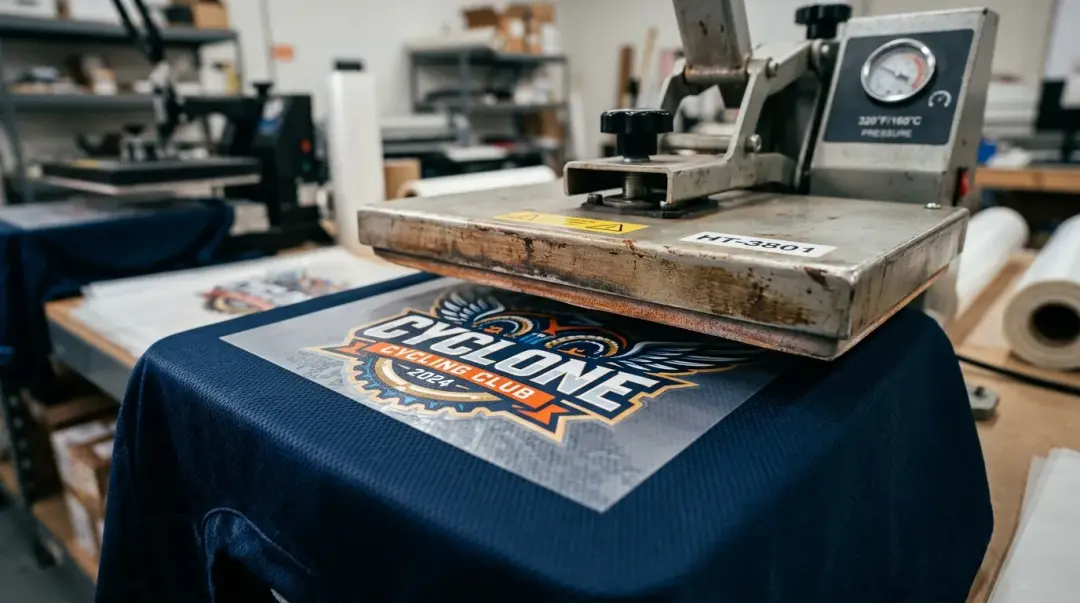
Mastering DTF on Polyester and Performance Fabrics
Direct to Film (DTF) printing has revolutionized the custom apparel industry, offering a level of versatility that traditional methods like Direct to Garment (DTG) struggle to match, especially when it comes to synthetic materials. While DTG often requires heavy pre-treatment and specialized ink systems to bond to synthetic fibers, DTF printing on polyester and athletic wear is straightforward, efficient, and exceptionally durable.
Because DTF creates a bond on the fabric's surface rather than penetrating the fibers, it excels on polyester, nylon, and spandex blends. However, working with performance fabrics requires a nuanced approach. The key lies in understanding how these materials respond to heat, pressure, and time.
The Challenges of Printing on Synthetic Fabrics
Performance fabrics, such as those found in team jerseys, moisture-wicking shirts, and quarter-zips, are designed for durability and breathability, but they are also highly heat-sensitive. Without the right technique, you face two primary risks: heat-induced fabric damage and dye migration.
1. Managing Heat Sensitivity
Synthetic fibers are thermoplastic. If you apply excessive heat, you can easily scorch the fabric or, perhaps more commonly, leave a permanent shiny halo (a thermal press mark) around the design. While cotton typically tolerates heat well, polyester requires a more delicate touch.
2. Combatting Dye Migration
Dye migration (often called "dye bleed") is a common headache for decorators working with polyester. At high temperatures, synthetic dye molecules can vaporize and migrate into the ink layer of your transfer, potentially discoloring white or light-colored sections of your design. This is particularly prevalent in dark, high-pigment athletic jerseys.
Optimized Settings for Professional Results
Consistency is the hallmark of a successful print shop. By moving away from "one-size-fits-all" settings, you can drastically reduce waste and improve your output quality. For most 100% polyester fabrics, consider the following baseline:
| Parameter | Recommended Setting |
|---|---|
| Temperature | 270°F – 290°F (132°C – 143°C) |
| Time | 10 – 12 seconds |
| Pressure | Medium |
Key Takeaway: Always build a swatch library. Testing your specific heat press, film, and fabric combinations—and documenting the exact temperature, time, and pressure—will prevent costly errors on large production runs.
Best Practices to Prevent Dye Bleed
Preventing dye migration is about controlling the thermal energy transferred to the garment. Use these professional techniques to keep your prints crisp and vibrant:
- Choose the Right Film: Utilize DTF film specifically engineered for polyester or "low-temp" applications to minimize the time the fabric remains under high heat.
- Press Low and Fast: Always use the lowest effective temperature that achieves a solid bond. Avoid prolonged dwell times that provide more opportunity for dye molecules to activate.
- Consider Blocking Technology: For notoriously difficult fabrics, inquire about dye-blocking additives or transfers designed to resist migration.
- Cooling Time: Allow the garment to cool down completely before peeling if using a cold-peel film, as this can help stabilize the bond and minimize stress on the print.
Conclusion
DTF is undoubtedly the most efficient path to high-quality decoration on polyester and athletic gear. By respecting the material’s thermal limits and implementing a disciplined approach to testing and documentation, you can produce professional-grade apparel that withstands the rigors of athletic performance and frequent washing. When you standardize your process, you ensure that every jersey or workout shirt you deliver meets the highest quality standards.
Frequently Asked Questions
Why does my polyester shirt have a shiny mark after heat pressing a DTF transfer?
What is dye migration and how can I prevent it when printing on dark athletic jerseys?
What are the recommended heat press settings for applying DTF transfers to 100% polyester?
Is DTF printing better than DTG for polyester athletic wear?
Does the peeling process affect the durability of my DTF prints on polyester?
Comments
No comments yet. Be the first to share your thoughts!