
DTF vs. Sublimation Printing: Which Should You Use for Sportswear?
Choosing between DTF and sublimation for sportswear? Learn the key differences in fabric, color, and durability to select the right method for your team.
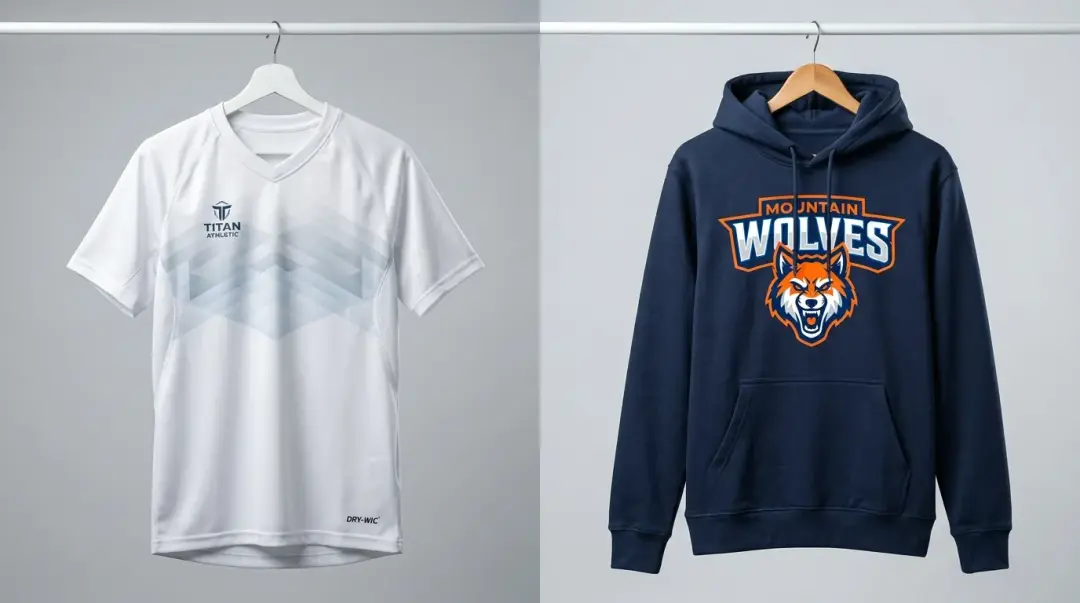
When selecting the ideal customization method for sportswear, print shop owners and team managers often face a choice between two industry stalwarts: Sublimation printing and Direct to Film (DTF). While both technologies produce vibrant, high-quality results, they are fundamentally different processes with distinct constraints. Choosing the right one for your athletic apparel depends heavily on your fabric composition, garment color, and order volume.
Understanding Sublimation Printing for Sportswear
Sublimation has long been the gold standard for performance apparel. This process involves turning specialized dye-sublimation ink into a gas using heat and pressure, which then embeds itself directly into the fibers of polyester fabrics.
- Zero Hand Feel: Because the ink becomes part of the fabric, the design is imperceptible to the touch, maintaining the breathability and moisture-wicking properties essential for athletes.
- Durability: Since the design is infused into the fiber, it will not crack, peel, or fade through repeated machine washings and intense athletic activity.
- Limitations: Sublimation is strictly restricted to white or light-colored, 100% synthetic fabrics (primarily polyester). It cannot be used on cotton, dark garments, or natural fibers.
The Versatility of DTF Printing
DTF printing has emerged as a disruptive force by sidestepping the material limitations that constrain sublimation. DTF involves printing a design onto a specialized PET film, applying an adhesive powder, and then heat-transferring it onto the garment.
Key Takeaway: Unlike sublimation, DTF does not require fabric pre-treatment and works on virtually any substrate, including cotton, polyester blends, and dark-colored jerseys.
Direct Comparison: DTF vs sublimation for sportswear jerseys
| Feature | Sublimation | DTF |
|---|---|---|
| Fabric Compatibility | 100% Polyester (Light) | Cotton, Poly, Blends, Dark |
| Hand Feel | Zero (Embedded) | Minimal to Moderate (Top-applied) |
| Color Vividness | Excellent on Light Fabrics | Vivid on Any Color (White Underbase) |
| Ideal Run Size | Large (Cost-effective) | Small/Flexible (Under 50 pcs) |
Which Method Should You Use?
When to Choose Sublimation
If your project involves large quantities of 100% white polyester jerseys requiring all-over, full-panel prints, sublimation remains the most cost-effective and professional solution. It is the preferred choice for high-performance team kits where weight, breathability, and absolute durability are non-negotiable.
When to Choose DTF
DTF is the superior choice for modern team personalization needs. Use DTF if you are dealing with:
- Mixed Fabric Types: When a team kit includes cotton hoodies, polyester jerseys, and blended warm-up jackets.
- Dark Garments: DTF’s white underbase allows for bright, opaque designs on black or navy performance gear.
- Small Order Runs: For orders under 50 pieces, DTF provides a simplified, low-setup workflow that manages names, numbers, and logos without expensive screen or plate changes.
Conclusion
While sublimation maintains its status for full-panel athletic polyester, DTF printing is rapidly capturing market share by solving the most common frustrations in sportswear production—fabric and color restrictions. Leading print shops now routinely utilize both, routing orders based on these technical strengths to ensure every team, regardless of their specific garment choice, receives a durable, high-impact uniform.
Frequently Asked Questions
Can I use DTF printing on the same types of fabrics as sublimation?
How does the 'hand feel' of a DTF print compare to sublimation?
Which printing method is more cost-effective for small order volumes?
Why is sublimation still considered the 'gold standard' for team jerseys?
Can I print colorful, vibrant designs on dark jerseys using DTF?
Comments
No comments yet. Be the first to share your thoughts!