
How Humidity & Temperature Affect DTF Printing Results
Discover how humidity and temperature impact your DTF printing quality. Learn ideal climate ranges to prevent smearing, static, and inconsistent powder adhesion.
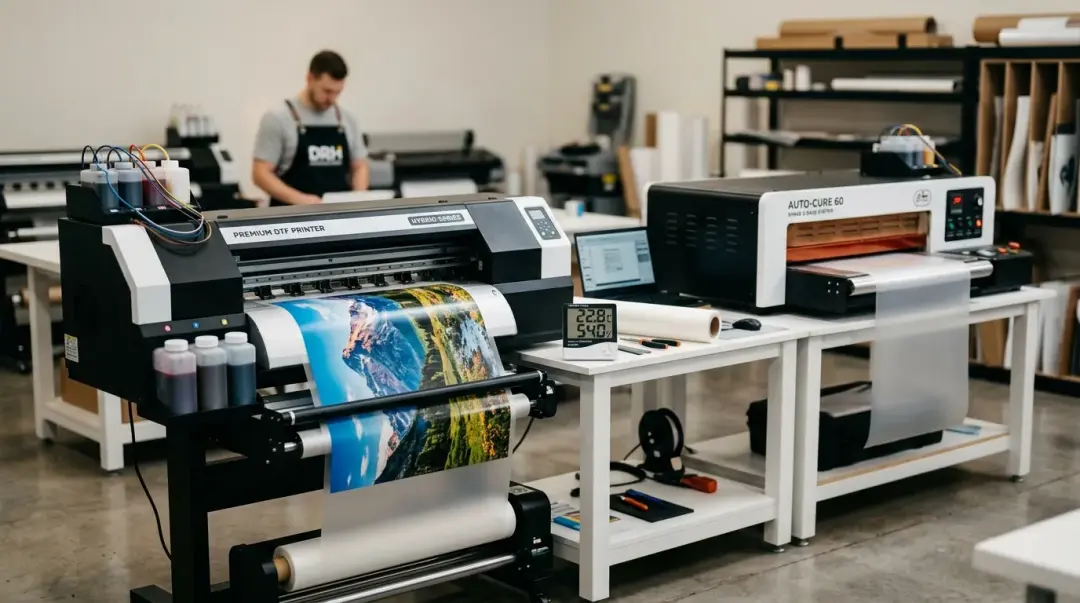
Direct to Film (DTF) printing has revolutionized custom apparel, but its reliance on precise chemical and physical processes makes it highly sensitive to the surrounding environment. Many print shops, especially in regions with fluctuating climates, often struggle with inconsistent results without realizing that the culprit is invisible: humidity and DTF printing tips and temperature. Understanding how these factors influence your printer, ink, and adhesive powder is essential for maintaining professional-grade production.
The Critical Role of Environment in DTF Production
DTF printing involves several stages—printing ink onto film, applying TPU adhesive powder, and curing—that are all affected by environmental conditions. When your workspace falls outside of optimal ranges, the chemistry of the ink and the physical properties of the film and powder change, leading to defects that can derail high-volume production.
Ideal Climate Parameters
For consistent, high-quality DTF transfers, industry experts recommend maintaining a controlled environment. Aim for the following conditions:
- Temperature: 65°F – 75°F (18°C – 24°C)
- Relative Humidity: 40% – 55%
Maintaining these levels ensures that the printer’s printheads function correctly, the ink remains fluid, and the TPU powder cures predictably without moisture-related clumping.
How High Humidity Affects DTF Printing
Excessive moisture in the air is one of the most common causes of production delays. In high-humidity environments, the TPU adhesive powder tends to absorb moisture from the air before it even hits the curing oven.
Impacts of Excessive Humidity
- Clumping: Moisture causes the adhesive powder to clump, leading to uneven distribution on your prints.
- Slower Drying/Curing: The curing process is designed to evaporate the water content in the ink. High ambient humidity slows this evaporation, often resulting in tacky, smeared, or under-cured transfers.
- Poor Adhesion: If the powder is damp, it will not bond effectively to the garment, leading to premature peeling or cracking during wash cycles.
Key Takeaway: High humidity effectively turns your adhesive powder into a wet paste. If you notice your powder looks granular or "clumpy" after application, it is likely absorbing too much ambient moisture.
The Dangers of Low Humidity and Dry Environments
Conversely, an environment that is too dry creates a different set of challenges. When the air lacks sufficient moisture, static electricity becomes a significant nuisance, particularly when handling PET films.
Impacts of Low Humidity
- Static Build-up: Static causes PET film sheets to cling together, making them difficult to feed into the printer consistently. This often results in paper jams or misaligned prints.
- Ink Flow Issues: Very dry air can accelerate the evaporation of ink within the printhead nozzles, leading to clogging and banding issues during the print job.
- Film Brittleness: Extremely dry conditions can affect the film coating itself, potentially causing it to crack or warp when passed through the curing oven.
Comparison: Climate Impacts on DTF
| Condition | Humidity Impact | Temperature Impact |
|---|---|---|
| High | Clumping powder, slow curing, smearing | Increased ink evaporation, printhead issues |
| Low | Static electricity, film jamming | Increased risk of nozzle clogging |
Practical Tips for Climate Control
Shops in regions with extreme seasonal swings—such as the American Southwest—face the greatest challenges, but any shop can improve their yield with simple steps.
Step-by-Step Climate Stabilization
- Invest in Monitoring: Place inexpensive digital hygrometers near your printer and curing station. Monitoring is the first step toward management.
- Use HVAC Controls: For high-volume facilities, dedicated climate control (HVAC) is a long-term investment. Centralized humidity and temperature management significantly reduces the need for reprints.
- Localized Solutions: If full-facility climate control isn't an option, use a small dehumidifier near the curing station to prevent powder clumping, or a humidifier in the printing room to mitigate static.
- Proper Storage: Store your PET film and adhesive powder in airtight containers or a humidity-controlled cabinet to protect them from environmental fluctuations.
By stabilizing your environment, you will notice not only a reduction in failed prints but also more predictable cure times and tighter powder adhesion. Controlling the atmosphere around your DTF setup is a hallmark of a professional-grade printing operation.
Frequently Asked Questions
What are the ideal temperature and humidity ranges for a DTF printing environment?
Why does my DTF adhesive powder look clumpy after application?
How do dry conditions affect DTF film and printing?
What are some practical ways to control the climate in my DTF print shop?
Can high humidity cause my DTF transfers to be tacky or under-cured?
Comments
No comments yet. Be the first to share your thoughts!