
How to Use Instagram Reels to Pre-Sell Your DTF Seasonal Drops
Master the art of pre-selling your DTF seasonal drops with Instagram Reels. Learn the 3-reel strategy, product tagging, and how to maximize conversions.
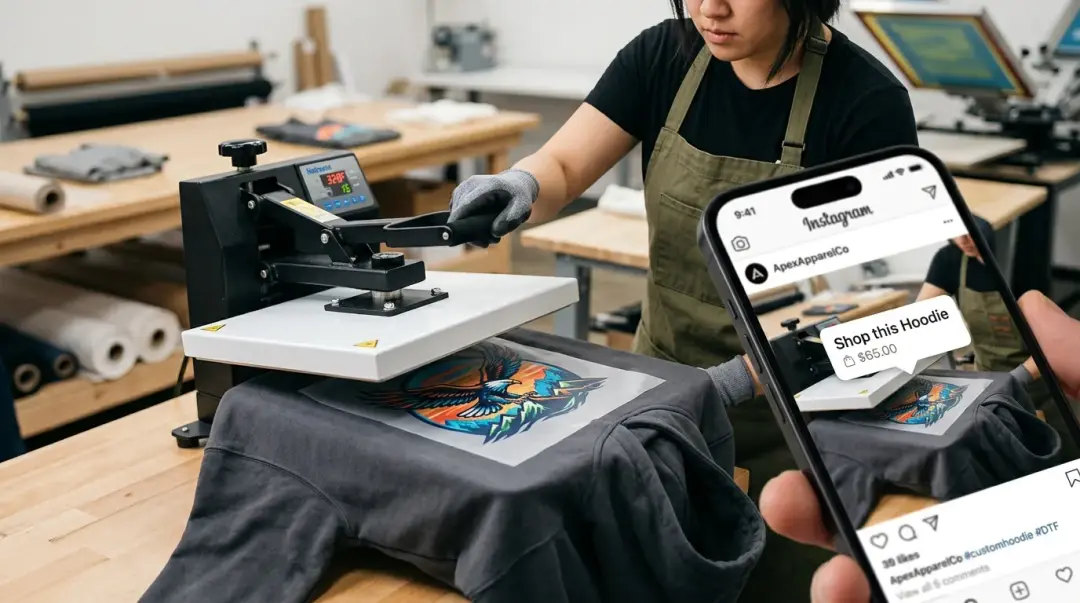
Mastering the Pre-Sell: Instagram Reels for DTF Seasonal Success
For independent apparel decorators and DTF transfer specialists, the seasonal drop model is a proven path to high-volume revenue. However, the success of these launches often hinges on your ability to build anticipation. Instagram Reels have emerged as the premier vehicle for this, offering a rare combination of viral reach and direct-to-purchase friction reduction.
By leveraging short-form video in the 10–14 days leading up to a release, you can turn passive scrollers into high-intent buyers before your store even opens its digital doors.
The Strategic 3-Reel Pre-Launch Sequence
Consistency is key to building psychological momentum. Implement this 3-reel sequence to guide your audience through the journey from curiosity to conversion. For more comprehensive resources, visit our Homepage — 'Marketing Tools' or 'Launch Strategy' section.
Reel 1: The Process Teaser (Days 14–10 Before Launch)
Your first objective is curiosity. Avoid revealing the final product immediately. Instead, showcase the DTF production process. Film tight, high-definition clips of designs being printed or the vibrant colors on a raw gang sheet. This creates a "behind-the-scenes" aesthetic that builds authority and anticipation without giving the design away.
Reel 2: The Quality Reveal (Days 7–5 Before Launch)
Now that interest is piqued, it is time to build confidence. Show the finished DTF transfer being pressed onto a high-quality garment. Use strong close-ups to highlight the print detail, texture, and durability. Use the caption to finally reveal the launch date, turning passive viewers into potential customers who are now waiting for the clock to strike.
Reel 3: The Launch Day Call-to-Action
When launch day arrives, the final reel must bridge the gap between interest and purchase. Use product tags to link directly to your shop. Pair this with a strong, time-limited offer—such as "free shipping for the first 48 hours" or "bundle discounts for the first 50 orders." This creates urgency and rewards early action.
Reducing Friction: The Power of Product Tagging
Without product tagging, your conversion path is broken. Viewers must navigate to your bio, locate the link, and search for the item—a multi-step process that can lead to a 60–80% drop in conversion rates. Product tagging allows users to tap and purchase directly within the Instagram app, drastically increasing your revenue per view.
Key Takeaway: Setting up a Facebook Shop catalog is essential. While it takes 2–3 days for approval, the reduction in checkout friction pays for itself through immediate, impulsive conversions.
Comparison: Friction-Based Conversion Paths
| Feature | Without Product Tags | With Product Tags |
|---|---|---|
| Steps to Purchase | 4-5 (Bio > Link > Search > Cart) | 1-2 (Tap > Purchase) |
| Conversion Friction | High (Significant churn) | Low (Impulse-friendly) |
| Customer Intent | Drops with every click | High (Captured immediately) |
Strengthening Intent via Instagram Stories
Reels bring the traffic, but Stories secure the relationship. Throughout your 10–14 day pre-launch window, use Instagram Stories to provide exclusive "insider" access. Use countdown stickers to keep the date top-of-mind, and polls to let followers vote on potential colorways. These interactions deepen engagement and signal to the algorithm that your audience is highly invested in your upcoming drop.
Final Thoughts on Scaling
DTF seasonal drops are driven by impulse. By minimizing the steps between discovery and checkout, you align your content strategy with human psychology. Start with high-quality process content, move to product education, and execute your launch with seamless tagging. This systematic approach ensures that when your store opens, your audience is ready to buy.
Frequently Asked Questions
How far in advance should I start posting Reels before a DTF seasonal drop?
What is the recommended sequence for pre-launch Instagram Reels?
Why is product tagging on Instagram important for DTF apparel sales?
How can I use Instagram Stories to improve my DTF launch results?
What should I feature in the first 'Process Teaser' Reel?
Comments
No comments yet. Be the first to share your thoughts!