
Is DTF Printing Still Profitable in 2026? Key Success Factors
Discover if DTF printing remains a profitable business in 2026. Learn how operational efficiency and cost management are the keys to high margins in custom apparel.
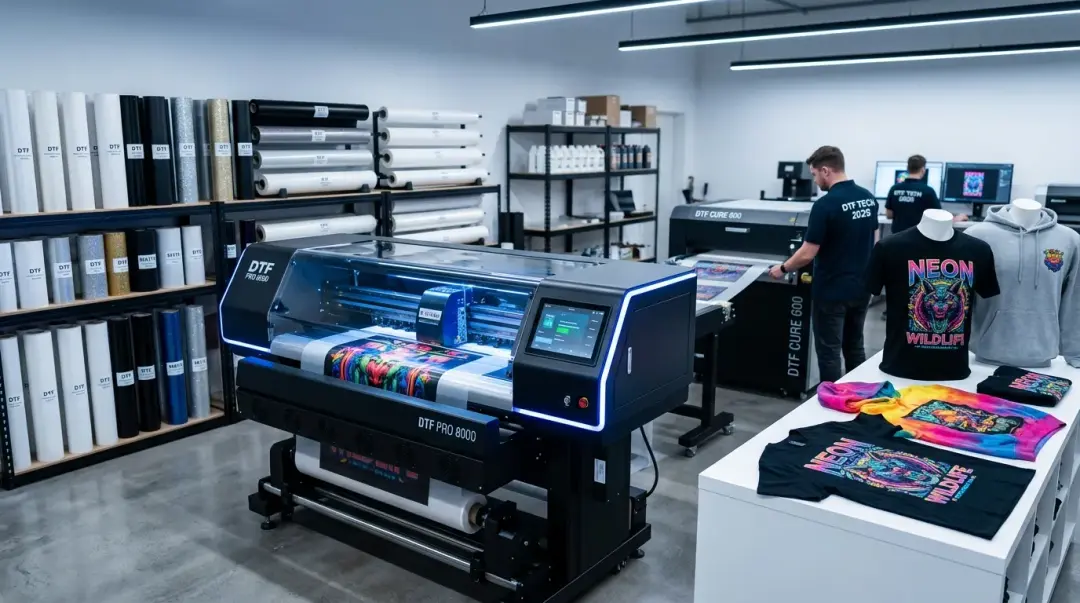
In 2026, the question is no longer whether Direct to Film (DTF) printing is a viable business model—the technology has firmly established itself as a cornerstone of the custom apparel industry. Instead, the real conversation centers on operational efficiency. As the market matures, simply owning a printer is no longer enough to guarantee success; profitability now hinges on how effectively a shop manages its production workflow, waste, and overhead. Given the complexities involved, many businesses are evaluating the outsource DTF printing vs in-house cost comparison.
The Current Profitability Landscape
DTF printing continues to command high demand due to its unparalleled versatility. It allows shops to produce high-quality, durable designs on almost any fabric, including cotton, polyester, and performance blends, without the need for pre-treatment. According to industry analysis, the shift toward on-demand customization and small-batch production has made DTF an essential tool for both startups and established screen-printing shops.
Why DTF Still Wins in 2026
- Low Barrier to Entry: Lower initial capital compared to high-end industrial DTG or screen printing equipment.
- Versatility: Ability to print on dark garments and complex fabric blends with ease.
- Scalability: Perfect for both one-off personalized items and mid-sized production runs.
Mastering Unit Costs and Waste Management
The profitability of DTF in 2026 is driven by precision. With average unit costs hovering around $1.50 for a 10x10 print, even minor inefficiencies can eat into your margins. Success relies on keeping a tight grip on these primary variables:
| Cost Component | Impact on Profit | Optimization Tip |
|---|---|---|
| Ink Consumption | High | Use RIP software to optimize ink limits based on design complexity. |
| Film/Powder Waste | Moderate | Implement gang sheets to maximize film usage per print cycle. |
| Reprint Rate | Very High | Calibrate equipment regularly to minimize color mismatch and curing errors. |
Minimizing Reprints: The Secret to High Margins
Reprinting due to poor image quality or transfer failure is the single fastest way to kill your profitability. Even a 5% reprint rate significantly compounds over a month. Standardized maintenance—including daily head cleanings and proper storage of film and powder—is essential. Investing in reliable climate control in your production area also prevents humidity issues that lead to banding or ink separation.
Operational Efficiency: Beyond the Printer
In 2026, the most profitable shops are those that treat DTF as an integrated production ecosystem rather than a standalone device. Efficiency gains come from:
- Automated Workflow: Utilizing advanced RIP software to automate image nesting and color correction.
- Streamlined Curing: Using professional-grade curing ovens that ensure consistent heat distribution across the entire film width.
- Inventory Management: Tracking ink levels and film stock to avoid downtime, which is the most expensive cost in a production environment.
Key Takeaway
In 2026, DTF printing remains highly profitable for entrepreneurs who pivot from "printer operators" to "process managers." Focus on lowering your per-unit costs, minimizing waste through smart gang sheeting, and aggressively reducing your reprint rate to maintain strong, sustainable margins in a competitive landscape.
The market for custom apparel is larger than ever, but success is now reserved for those who prioritize lean manufacturing principles. By focusing on consistency and quality control, DTF printers remain a powerful engine for revenue in the modern apparel market.
Frequently Asked Questions
Is DTF printing still a profitable business model in 2026?
How can I reduce waste and lower my unit costs in DTF printing?
Why is standardized maintenance important for my DTF profit margins?
Does climate control actually impact DTF print quality?
What role does RIP software play in an efficient DTF workflow?
Comments
No comments yet. Be the first to share your thoughts!