
Why DTF Transfers Peel or Crack (And How to Fix It)
Struggling with peeling or cracking DTF transfers? Learn how to fix these common issues with expert tips on heat, pressure, and proper garment care.
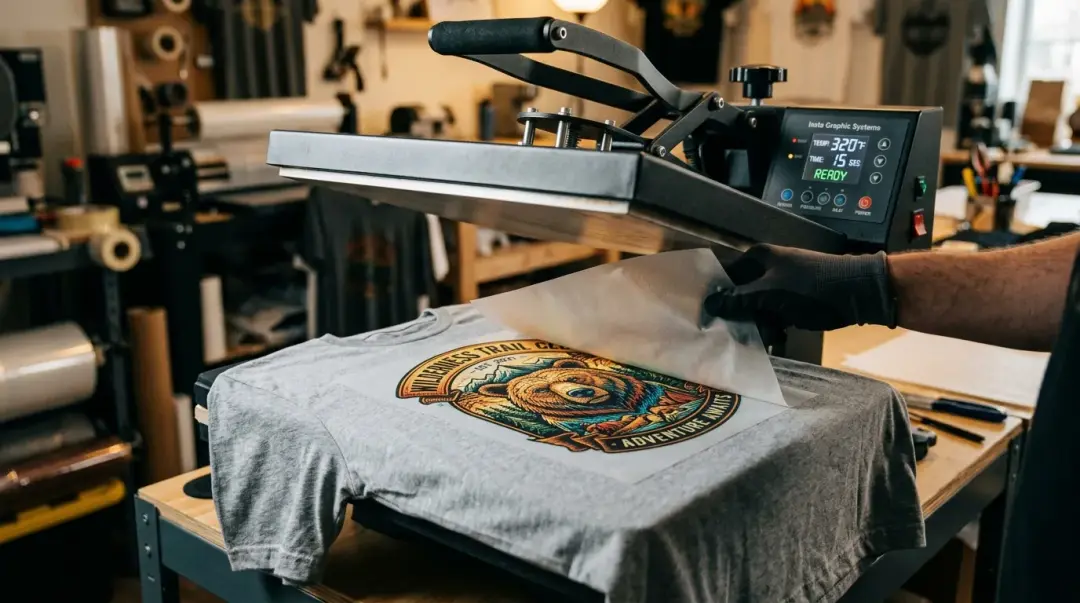
Direct-to-Film (DTF) printing has revolutionized custom apparel, but for beginners, the frustration of a design peeling away or developing cracks after just a few washes is all too common. These issues are rarely due to a bad machine or faulty ink; instead, they almost always trace back to three critical factors: insufficient heat, inadequate pressure, or improper cooling/post-pressing techniques.
The Root Causes of DTF Failures
When a DTF transfer lifts at the edges or cracks upon stretching, it indicates the adhesive powder has not achieved a molecular bond with the fabric fibers. Understanding why this happens is the first step toward achieving professional, retail-quality durability.
1. Temperature Inconsistencies
DTF transfers require a precise heat range, typically between 280°F and 320°F. A common mistake is relying solely on the heat press digital display. Many entry-level presses experience significant heat loss across the platen. If your press is running even 20 degrees cooler than the setting, the thermoplastic polyurethane (TPU) powder will not melt correctly, leading to a weak bond that fails under the mechanical stress of a washing machine.
2. Improper Pressure
Pressure is often overlooked. If the pressure is too light, the adhesive cannot penetrate the weave of the garment. If it is too heavy, you risk scorching the fabric or forcing the ink into the fibers in a way that makes the print brittle and prone to cracking. Medium-heavy, consistent pressure is the industry standard for ensuring the adhesive bridges the gap between the film and the garment.
3. The "Cooling Gap" and Post-Pressing
Even if your initial press is perfect, moving too quickly can ruin the bond. Many beginners peel the film while the adhesive is still in a molten state. Allowing the transfer to sit for 8–10 seconds after the press opens allows the adhesive to set. Furthermore, neglecting the finishing press—a second press for 5–8 seconds with a parchment sheet over the design—leaves the edges vulnerable to water intrusion during the first wash.
Troubleshooting and Fixes
Use the following checklist to diagnose and correct your DTF application process.
| Problem | Primary Cause | Recommended Fix |
|---|---|---|
| Edges Lifting | Insufficient Heat/Pressure | Verify temp with an infrared thermometer; increase pressure. |
| Cracking when stretched | Over-curing or Low-Quality Film | Lower curing temp or switch to a high-stretch film. |
| Peeling after wash | Skipped Finishing Press | Apply a 5-8 second finishing press with parchment paper. |
Professional Maintenance Tips
- Verify Temperature: Use an infrared thermometer to spot-check different areas of your heat press platen.
- Wait Before Washing: Always wait at least 24 hours before the first wash to ensure the chemical bond has fully cured.
- Garment Care: Instruct customers to wash items inside-out, using cold water on a gentle cycle, and to avoid high-heat tumble drying. Air drying is the gold standard for DTF longevity.
Key Takeaway: Professional durability is achieved by treating the heat press as a precise instrument rather than a kitchen appliance. By verifying your heat, respecting the cooling time, and finishing with a secondary press, you can eliminate 90% of peeling and cracking issues.
Frequently Asked Questions
Why does my DTF design start peeling off after just a few washes?
How can I tell if my heat press is actually reaching the right temperature?
What is the correct pressure setting for applying DTF transfers?
How long should I wait before washing a newly printed DTF garment?
What causes DTF prints to crack when the fabric is stretched?
Comments
No comments yet. Be the first to share your thoughts!